


When you walk into a modern bathroom, the first thing that captures your attention is often the cleanliness of the space, but the details matter immensely. A premium **Soap dispenser** is not merely a utility item; it is a statement of hygiene, design, and efficiency that can elevate a standard sink into a luxurious experience. However, the market is flooded with options ranging from cheap plastic pumps to sophisticated, touchless sensor units that promise the highest level of sanitation.
To truly understand which product delivers on its promises and which are simply marketing gimmicks, you need an unbiased, deep-dive analysis that cuts through the noise. Whether you are renovating a commercial space or upgrading your home, finding the perfect balance between functionality, durability, and aesthetic appeal is critical. To see how high-quality design integrates with everyday utility, you can explore the comprehensive collection of a leading provider at Soap dispenser. By examining the nuances of build quality and sensor technology, you can ensure your investment lasts for years to come.
The evolution of hand hygiene has transformed the humble liquid soap bottle into a high-tech gadget. Today, you have to decide between manual pumps, infrared sensors, and even motion-activated foaming systems that dispense just the right amount of product. This guide is designed to take you from a confused novice to an informed expert, walking you through the specific features that differentiate a high-end product from a disposable one.
We will analyze the materials, battery life, refill mechanisms, and aesthetic integration to help you make a choice that fits your specific lifestyle and budget. Furthermore, for a broader perspective on retail trends and market availability, checking reliable market data at Soap dispenser can provide valuable insights into where the best deals are hiding. Get ready to discover the definitive buying resource you have been searching for.
This comprehensive review covers everything from the microscopic details of sensor accuracy to the macroscopic impact of design on your bathroom’s overall vibe. We will debunk common myths, highlight the hidden costs of certain models, and provide a step-by-step strategy for acquiring the perfect unit. By the end of this article, you will possess the knowledge to navigate the complexities of modern bathroom fixtures with absolute confidence.
Key Buying Criteria and Must-Have Features
Before you even start browsing product listings, it is essential to establish a clear set of prerequisites that will filter out inferior options and focus your attention on viable contenders. A high-quality soap dispenser must bridge the gap between advanced technology and user-friendly design.
If a product looks beautiful on a shelf but fails to function in a high-traffic environment, it is not a good purchase. Therefore, you must prioritize reliability over aesthetics alone, ensuring that the mechanism is robust enough to withstand daily use by children, elderly family members, or customers. The right dispenser should feel substantial in the hand, operate silently, and maintain its calibration over time, providing a consistent flow of liquid every single time. When evaluating potential candidates, examining the full range of available styles and functionalities on Soap dispenser can help you visualize how different features translate to real-world utility.
To make an informed decision, you should look for specific technical attributes that separate the premium models from the budget ones. These features dictate the longevity and performance of the unit, directly impacting your satisfaction with the purchase. The following list outlines the critical criteria you must evaluate before finalizing your choice:
- Material Quality: Look for high-grade stainless steel, tempered glass, or durable ABS plastic that resists cracking and yellowing over time.
- Sensor Technology: Prefer infrared sensors with adjustable sensitivity settings to prevent accidental activations or failure to detect hands.
- Refill Mechanism: Choose models with wide-mouth caps for easy refilling or cartridge-based systems that prevent messy leaks.
- Battery Life: Ensure the unit uses long-lasting battery types like CR123A or rechargeable lithium-ion cells that offer at least six months of use.
- Water Resistance: Check the IP rating to ensure the device can withstand splashes and steam without compromising internal electronics.
- Flow Rate Control: Select units that allow you to adjust the amount of soap dispensed to avoid wastage and ensure the perfect lather.
The Critical Importance of Sensor Calibration
Among all the features listed above, sensor calibration is arguably the most important prerequisite for a touchless soap dispenser. A touchless unit relies entirely on infrared technology to detect the presence of a user’s hand or object.
If the sensor is poorly calibrated, the device may fail to dispense soap when needed, which is a significant hygiene failure, or it may activate repeatedly when a user simply walks past it, leading to frustration and soap waste. High-quality models feature advanced sensors that can distinguish between a hand and a floating object or a shadow, ensuring a reliable trigger only when necessary. Furthermore, calibration should be adjustable, allowing users to customize the detection range based on the sink depth and their specific usage habits.
Investing in a unit with superior sensor technology guarantees that the “hands-free” convenience you are paying for is actually delivered, providing a seamless and sanitary experience that manual pumps simply cannot match.
Ultimately, the best soap dispensers combine these technical attributes with a design that complements your bathroom’s existing decor. Whether you prefer a sleek, wall-mounted glass bottle or a modern ceramic countertop model, the internal mechanics must be just as impressive as the external finish. By prioritizing these key criteria, you ensure that your purchase is not just a temporary fix, but a lasting upgrade to your home or business environment.
Price History, Deal Timing, and When to Buy
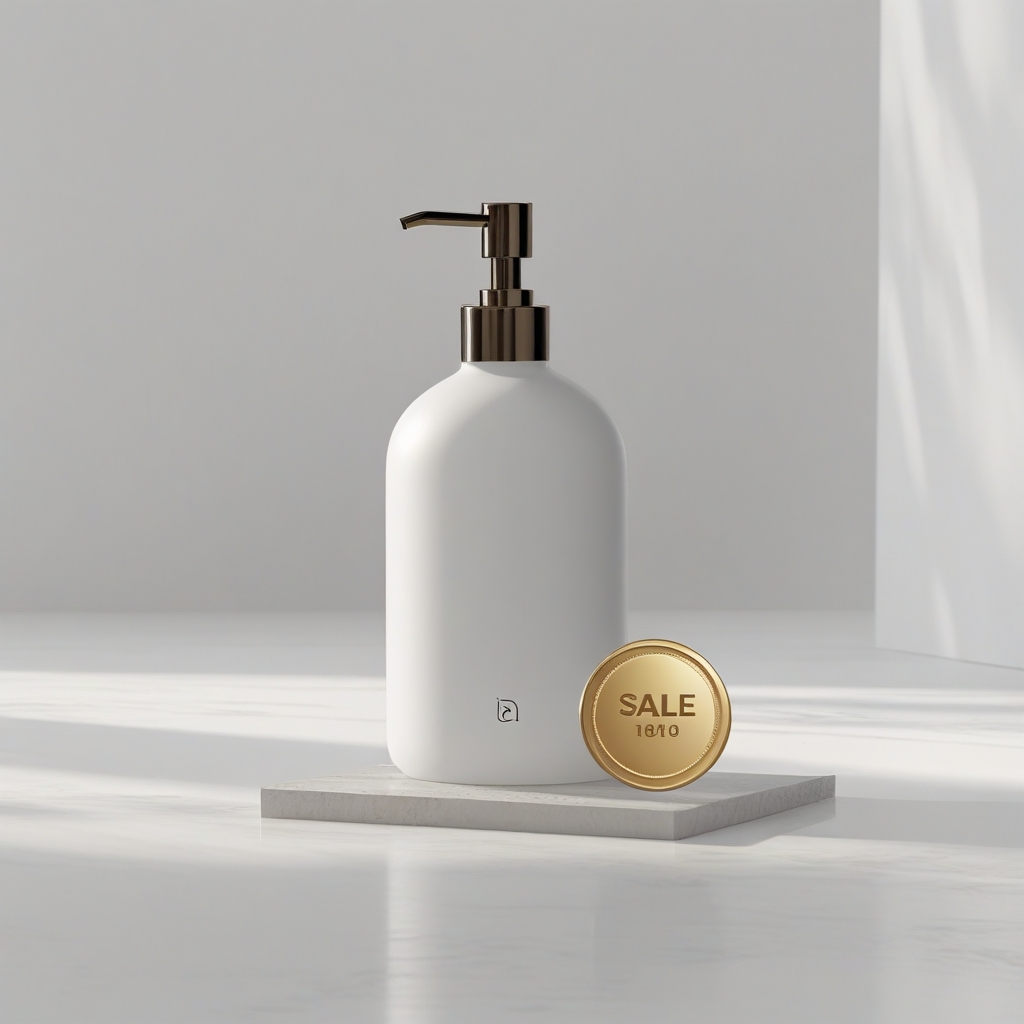
Understanding the price history and timing of your purchase can save you a significant amount of money, often allowing you to snag a premium model for a fraction of its retail price. Soap dispensers, particularly those with advanced sensor technology and designer aesthetics, often fluctuate in price based on seasonal trends, inventory clearance cycles, and major shopping holidays. Retailers frequently discount home goods during seasonal transitions, such as moving from summer to autumn or winter to spring, as they prepare to stock new inventory.
Additionally, major holidays like Black Friday, Cyber Monday, and Prime Day are prime times to purchase high-end bathroom fixtures, as retailers offer substantial discounts to clear out stock. Monitoring these price points requires a bit of research, but the payoff is a high-quality **Soap dispenser** that fits your budget without compromising on features. By tracking these trends, you can adopt a strategic approach to your purchase, ensuring you never overpay for a product that might be on sale next week.
To help you visualize the potential savings and make a decision, consider the following comparison table which outlines the average price ranges for different types of dispensers during various shopping periods:
| Dispenser Type | Standard Retail Price | Black Friday/Cyber Monday | Off-Season Discount (May-September) |
|---|---|---|---|
| Basic Manual Pump | $10 – $25 | $5 – $15 | $8 – $18 |
| Standard Sensor Dispenser | $30 – $60 | $15 – $35 | $20 – $40 |
| Premium Wall-Mounted Glass | $80 – $150 | $50 – $90 | $60 – $120 |
The Impact of Seasonal Sales on Inventory
One of the most overlooked factors in timing your purchase is the availability of stock and the freshness of the product. Major sales events like Black Friday and Prime Day often see a surge in demand for home goods, but they can also lead to stock shortages for high-demand items.
If you have your heart set on a specific designer model, it is often safer to purchase it during the off-season when retailers are trying to clear out inventory to make room for new arrivals. Additionally, buying slightly out of season ensures that you have time to test the product thoroughly before the heavy holiday rush begins. For instance, purchasing a new soap dispenser in late spring or early summer allows you to check the battery life and sensor calibration during a period of low usage, giving you a clear picture of its long-term reliability before you commit to using it daily.
How to Choose, Compare, and Order the Right Product

Choosing the right soap dispenser involves a systematic approach that goes beyond simply looking at pictures or reading star ratings. You must actively compare features, assess build quality, and understand the logistics of ownership, including refills and battery replacement.
The process can seem daunting at first, but breaking it down into manageable phases will make it much easier to navigate the market effectively. It is not enough to rely on intuition; you need a structured methodology to ensure that the product you select meets your practical needs and aesthetic preferences. By following a rigorous selection process, you can eliminate the guesswork and find a unit that offers exceptional value for money. This guide will walk you through the essential steps of the selection process, ensuring that you are well-equipped to make a purchase that you will be satisfied with for years to come.
Phase 1: Research and Feature Comparison
The first phase of your selection process is dedicated to gathering information and narrowing down your options based on specific technical specifications. You should create a shortlist of 3 to 5 models that meet your basic criteria and then dive deep into the details of each one.
This involves reading detailed user reviews to look for recurring issues, such as leaking sensors or weak battery life, and comparing the materials used in construction. It is also crucial to verify the dimensions of the dispenser to ensure it fits securely on your sink or vanity without wobbling. When evaluating potential candidates, visiting a trusted resource like Soap dispenser can provide a curated selection of high-quality options that have been vetted for durability and design. This phase is all about data collection and critical analysis; you want to know exactly what you are getting into before you hand over your credit card.
- Identify the specific type of soap dispenser that fits your space, such as wall-mounted, countertop, or automatic sensor models.
- Compare the sensor range and sensitivity settings to ensure they match your typical usage height and environment.
- Check the battery type and lifespan, ensuring that you are comfortable with the replacement frequency.
- Review the warranty and return policy to protect your investment against manufacturing defects.
- Compare the price against similar models to ensure you are getting a fair deal and not overpaying for a brand name.
Phase 2: Ordering and Verification
Once you have completed your research and selected the ideal model, the next phase is the actual ordering process. This phase requires attention to detail to ensure that you receive the correct item and that you have all the necessary accessories for installation and use.
It is important to order from a reputable seller who offers secure payment methods and reliable shipping. Before finalizing your order, double-check the specifications one last time to confirm that the color and style match your vision. After placing your order, monitor the shipping status so you can prepare for the delivery. Upon receiving your package, inspect the contents carefully to ensure nothing is damaged. This is also the time to gather all the necessary components, such as batteries, mounting hardware, and instruction manuals, so that you are ready for a smooth installation process. By following these steps, you transition from a passive browser to an active, informed buyer who is in control of the transaction.
- Select a retailer with a strong reputation for customer service and product authenticity.
- Ensure the shipping address is correct to avoid delays or lost packages.
- Check the product listing for bundle deals that might include extra refills or installation tools.
- Verify that the product matches the description and images provided on the website.
- Prepare your workspace by clearing the area around your sink to facilitate easy installation.
Top Reasons Buyers Love This — Full Pros and Cons
There is a distinct psychological and practical satisfaction that comes with using a high-quality soap dispenser, which is why so many buyers rave about the upgrade. The shift from a clunky plastic pump to a sleek, touchless unit transforms the daily ritual of hand washing into a more hygienic and luxurious experience. Users frequently highlight the sense of modernity and cleanliness that a good dispenser brings to their bathroom, noting that it makes the space feel more organized and expensive.
The ease of use is another major selling point; with a simple wave of the hand, you can dispense the exact amount of soap needed without touching the device, which is a significant benefit in shared environments. Additionally, the aesthetic appeal of these devices cannot be overstated, as they serve as a focal point that ties the entire bathroom decor together. The joy of owning a well-designed product lies in the details—the smooth finish, the silent operation, and the reliable performance that makes your life just a little bit easier every day.
While the pros are numerous, it is important to acknowledge that even the best products have areas where they might fall short or where user expectations might not align perfectly with reality. Some users have reported that certain sensor models can be too sensitive, triggering when a user’s sleeve or hair passes too close to the sensor.
Others have noted that while the glass and metal finishes look great, they require more frequent cleaning to maintain their pristine appearance, as water spots and soap residue can be more visible on glossy surfaces. Furthermore, the initial cost of a premium sensor dispenser is often higher than that of a traditional pump, which can be a barrier for budget-conscious shoppers. Despite these minor drawbacks, the overwhelming consensus is that the benefits of improved hygiene, style, and convenience far outweigh the potential inconveniences, making these dispensers a worthwhile investment for most.
- Enhanced Hygiene: Touchless operation eliminates the transfer of germs and bacteria that can occur when touching a manual pump.
- Modern Aesthetics: Sleek designs and high-quality materials elevate the look of any bathroom, adding a touch of luxury.
- Convenience: No need to fumble with caps or pumps; a simple wave dispenses the perfect amount of soap automatically.
- Reduced Waste: Many models feature precise flow control to dispense just the right amount, preventing excess soap from being wasted.
- Easy Refilling: Wide-mouth caps and cartridge systems make it simple to refill the dispenser without making a mess.
- Long Battery Life: Modern sensor dispensers are designed to last months on a single set of batteries, reducing maintenance frequency.
The Unmatched Convenience of Automation
The most significant advantage that buyers consistently love is the sheer convenience of automation. In a busy household or a commercial setting, the ability to wash hands without stopping to fiddle with a cap or pump handle is a game-changer.
This is especially valuable for children who are learning proper hygiene, as they can simply wave their hands under the sensor to get soap without struggling with a manual mechanism. The hands-free aspect also promotes better hygiene habits, as users are less likely to touch dirty surfaces before washing their hands. This level of automation transforms a mundane chore into a seamless interaction, reducing friction and saving time. When you consider the long-term benefits of reduced germ transmission and the ease of use for all family members, the convenience of an automatic **Soap dispenser** becomes the primary reason for satisfaction and a key driver of repeat purchases.
Top Picks, Alternatives, and Head-to-Head Comparison
When it comes to selecting a soap dispenser, the market offers a plethora of options that cater to different styles and budgets, making the selection process both exciting and challenging. You have to decide between sleek wall-mounted glass bottles, sturdy ceramic countertop units, and high-tech motion-activated devices that blend seamlessly into modern interiors.
The best choice for you will ultimately depend on your bathroom layout, your personal design preferences, and your technical comfort level. Some buyers prefer the classic look of a ceramic pump, while others are drawn to the industrial-chic vibe of brushed metal or the minimal elegance of clear glass. It is essential to compare these alternatives side-by-side to understand the trade-offs involved. For example, wall-mounted dispensers save counter space but require installation, while countertop models are easier to install but can take up valuable room. By evaluating these options, you can determine which style best complements your space and meets your functional needs.
One of the most compelling alternatives to consider is the “Smart Soap Dispenser,” which often includes features like LED indicators, Bluetooth connectivity for tracking usage, and app-based customization. While these high-tech options offer the ultimate in convenience, they come at a premium price point and may require a smartphone to operate effectively. On the other hand, traditional manual pumps are the most affordable and reliable option, requiring no batteries or electricity.
They are also incredibly easy to refill and maintain, making them a favorite among those who prioritize simplicity over automation. However, they lack the touchless convenience that modern buyers have come to expect. By weighing these alternatives against your specific needs, you can find the perfect balance of technology, style, and affordability. To see a curated comparison of various styles and find the best fit for your home, you can check out the extensive selection at Soap dispenser.
Wall-Mounted vs. Countertop: A Design Dilemma
The most common comparison in the soap dispenser market is between wall-mounted and countertop models, each offering distinct advantages depending on your bathroom layout and personal taste. Wall-mounted dispensers are the space-saving champions; they free up your sink area, making it easier to keep the counter clean and organized. They also project a sense of modernity and minimalism that is hard to achieve with bulky countertop units.
However, wall-mounted dispensers require drilling into the wall and precise leveling, which can be a deterrent for renters or those who are not handy with tools. Countertop dispensers, conversely, are incredibly easy to install and move around if needed. They offer a wider variety of shapes and sizes and can often double as decorative accents. However, they occupy valuable counter space and can look cluttered if not paired with other coordinating accessories. Ultimately, the choice comes down to your priorities: if you value space and a sleek look, go with wall-mounted; if you value flexibility and ease of installation, a countertop model is the better choice.
Regardless of which style you choose, the most important factor is that the dispenser integrates well with the overall design of your bathroom. Whether you opt for a traditional ceramic look or a futuristic sensor unit, the right product will enhance your space rather than detract from it. Take the time to measure your sink area, consider your aesthetic preferences, and compare the features of the top contenders before making your final decision.
Common Buying Mistakes and How to Avoid Buyer’s Remorse
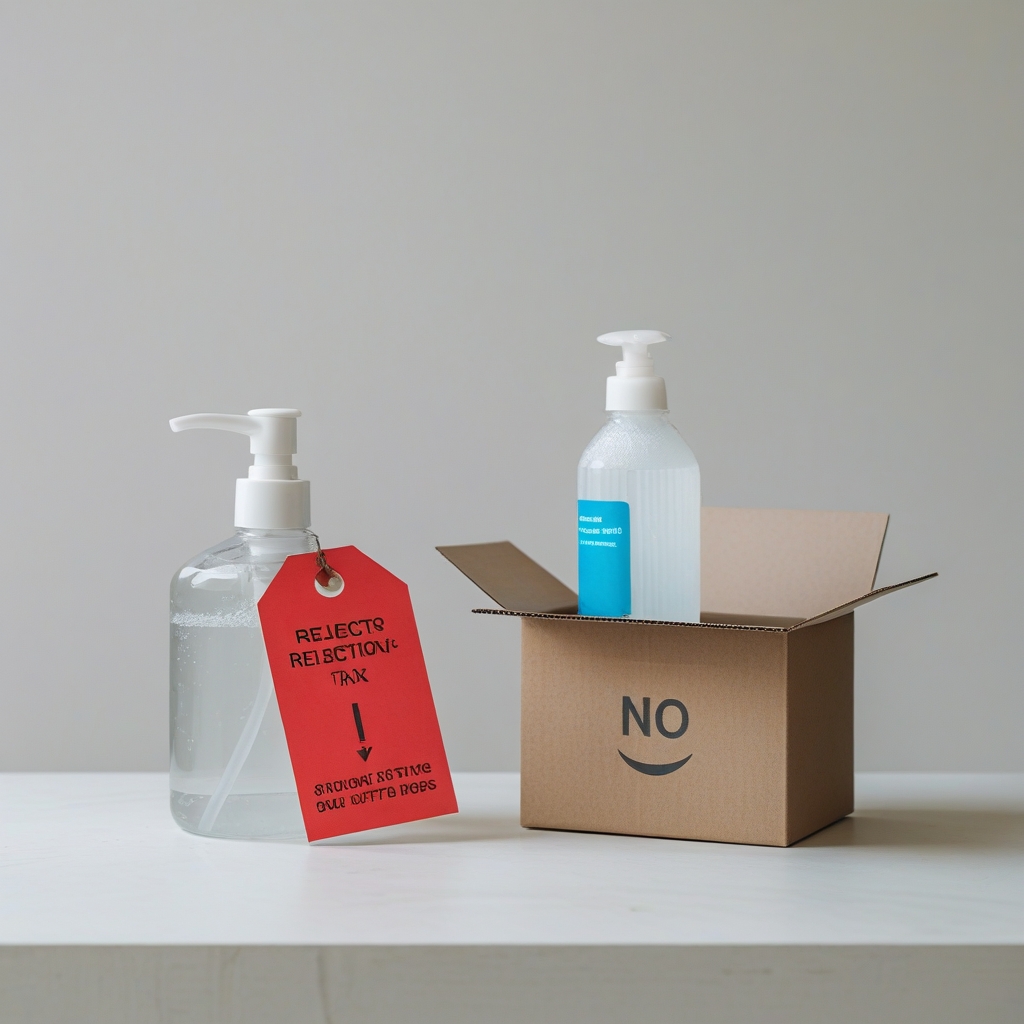
Purchasing a new bathroom fixture should be an exciting endeavor, but it is all too easy to fall into traps that lead to disappointment and buyer’s remorse. Many consumers rush into buying a soap dispenser based solely on price or visual appeal, only to discover later that the product is poorly made or difficult to use.
The most common mistake is neglecting to check the build quality and material specifications, leading to a lightweight, plastic unit that feels cheap and breaks easily. Another frequent error is overlooking the battery type and sensor accuracy, resulting in a device that requires frequent battery changes or fails to detect hands correctly. Additionally, buyers often ignore the dimensions and installation requirements, purchasing a unit that is too large for their sink or that cannot be mounted securely.
By being aware of these common pitfalls, you can take proactive steps to avoid them, ensuring that your purchase is a success. Avoiding these mistakes requires a bit of research and patience, but the payoff is a product that meets or exceeds your expectations.
To ensure you make a smart purchase, you must look beyond the surface and evaluate the product holistically. This means reading detailed reviews from other users, checking the warranty terms, and understanding the total cost of ownership, including battery replacements and refills. Don’t be swayed by flashy marketing or low prices if the product lacks the essential features you need. Instead, focus on functionality, durability, and ease of use. By taking a methodical approach to your decision-making process, you can avoid the frustration of dealing with a faulty product and enjoy the satisfaction of owning a high-quality **Soap dispenser** that serves you well for years to come.
- Ignoring Sensor Sensitivity: Many buyers purchase sensor dispensers without checking if the sensor range is appropriate for their sink height, leading to constant false triggers or missed activations.
- Choosing the Wrong Material: Selecting a dispenser made of thin plastic that degrades quickly in a humid environment can lead to cracks and leaks.
- Overlooking Installation Requirements: Failing to check if a wall-mounted dispenser requires drilling or if a countertop model fits your specific vanity dimensions.
- Forgetting About Refill Logistics: Buying a dispenser with a narrow opening that makes refilling difficult or that requires specific proprietary cartridges.
- Ignoring Battery Life: Purchasing a sensor unit that uses batteries with a short lifespan, resulting in frequent interruptions.
- Disregarding Customer Reviews: Relying solely on product descriptions rather than reading real user experiences to uncover potential flaws.
- Forgetting to Check Water Resistance: Using a non-waterproof dispenser in a wet environment, which can damage the internal electronics.
Care, Warranty, Returns, and Getting the Most From Your Purchase
Once you have successfully installed your new soap dispenser, the work is not over; proper care and maintenance are essential to ensuring its longevity and optimal performance. Regular cleaning is crucial, especially for sensor models, as residue buildup on the infrared sensor can interfere with its functionality. Use a soft, damp cloth to wipe down the exterior and the nozzle area, avoiding abrasive cleaners that can scratch glass or metal finishes.
For automatic dispensers, you may need to occasionally check the battery compartment for corrosion or loose connections. Additionally, keeping the nozzle clear of dried soap residue will prevent clogs and ensure a smooth flow of liquid. By following a simple maintenance routine, you can extend the life of your dispenser and keep it looking as good as the day you bought it. Proper care is a small price to pay for the convenience and hygiene that a high-quality dispenser provides, and it ensures that your investment continues to pay dividends in the long run.
Understanding the warranty and return policy is also a vital part of owning a new product. Before purchasing, take the time to read the fine print to understand what is covered and for how long. Most reputable brands offer a limited warranty that covers manufacturing defects, but this usually excludes damage caused by misuse or water exposure. If you ever encounter an issue, don’t hesitate to contact customer support, as most companies are willing to help resolve problems or replace faulty units. Being proactive about care and knowing your rights as a consumer will give you peace of mind and protect your investment.
- Regular Cleaning: Wipe down the exterior and nozzle with a damp cloth weekly to remove soap scum and water spots.
- Sensor Maintenance: Gently clean the infrared sensor lens with a soft brush to ensure it detects hands accurately.
- Refill Management: Use a funnel when refilling to avoid spilling liquid into the battery compartment or onto the counter.
- Battery Checks: Test the batteries every six months to ensure they are still functioning correctly and replace them as needed.
- Secure Mounting: Periodically check that wall-mounted dispensers are securely fastened to prevent them from falling.
Long-Term Value Strategy
To maximize the long-term value of your soap dispenser, consider adopting a strategy of proactive maintenance rather than reactive repair. Instead of waiting for the device to malfunction, establish a routine inspection schedule where you check the seals, the battery life, and the nozzle alignment. This will help you identify minor issues before they escalate into major problems. Furthermore, when purchasing refills, opt for concentrated liquid soap or foaming soap, as these often last longer and require fewer refills than standard liquid soaps. By being mindful of these details, you can ensure that your dispenser remains a reliable and efficient part of your daily routine for years to come.
Conclusion
In conclusion, upgrading your bathroom with a high-quality **Soap dispenser** is a decision that pays dividends in both hygiene and style. Throughout this guide, we have explored the critical features you must look for, from sensor technology to material durability, and the common pitfalls that can lead to buyer’s remorse. By understanding the price history and timing of your purchase, you can secure the best possible deal without compromising on quality.
We have also compared the various styles and alternatives available, helping you determine whether a wall-mounted or countertop model suits your space best. Whether you choose a manual pump or a sophisticated sensor unit, the right choice will enhance your daily routine and elevate the aesthetic of your home. For those looking to explore a wide array of options and find the perfect match for their needs, visiting Soap dispenser is the perfect next step to ensure you find a product that combines functionality with modern design.
Ultimately, the goal of this guide was to empower you with the knowledge to make an informed decision. You now have the tools to analyze product specifications, compare alternatives, and identify the best value for your money. Don’t settle for a cheap, disposable pump when you can have a premium fixture that lasts.
Take the time to research and select the perfect dispenser for your home, and enjoy the benefits of a cleaner, more modern, and more hygienic bathroom environment. Trust in the process, and you will find that the right **Soap dispenser** is more than just a bathroom accessory—it is an essential component of a healthy and stylish home. If you need further assistance or want to see the latest trends in bathroom fixtures, you can check out Soap dispenser to gather more insights. Happy shopping!
Frequently Asked Questions
Are sensor soap dispensers battery operated?
Yes, most automatic soap dispensers are battery operated, typically using common types like AA or AAA batteries, though some premium models may use rechargeable lithium-ion cells.
How often do you need to refill a soap dispenser?
Refill frequency depends on usage and the size of the reservoir, but most standard dispensers last between 2 to 4 weeks with daily use.
Can I use regular liquid soap in an automatic dispenser?
Yes, you can generally use any liquid soap, but it is recommended to use a thicker, non-gel soap to prevent clogging the nozzle.
Are wall-mounted soap dispensers hard to install?
Wall-mounted dispensers are slightly more difficult to install than countertop models as they require drilling into the wall, but most come with easy-to-follow instructions.
How do I clean the sensor on my automatic soap dispenser?
To clean the sensor, simply wipe it gently with a soft, dry cloth or a cotton swab to remove any residue that might be blocking the infrared light.