


Fitness Hand Gripper: Ultimate Value Guide 2026

Hand strength is often the unsung hero of physical performance, playing a critical role in everything from heavy lifting and rock climbing to gaming and typing. While most fitness enthusiasts focus on their legs, back, or cardiovascular health, neglecting your grip can limit your overall potential and lead to nagging injuries over time. Whether you are an athlete looking to improve your deadlift numbers or a musician seeking better finger independence, investing in the right equipment is the first step toward functional power. This comprehensive guide is designed to cut through the marketing noise and help you identify a high-quality Fitness Hand Gripper that fits your specific biomechanics and goals, ensuring you get the most out of every squeeze.
Modern fitness trends have seen a massive resurgence in hand and forearm training, yet the market is flooded with options ranging from expensive boutique equipment to cheap, flimsy plastic toys that break within days. To truly benefit from hand strengthening exercises, you need a tool that offers progressive resistance and durable construction. A high-grade Fitness Hand Gripper not only builds muscle mass in your forearms but also improves your overall dexterity and endurance. By understanding the mechanics of these tools and the specific features that matter most, you can avoid the common pitfall of buying a product that simply cannot withstand your training intensity or fails to provide a challenging workout.
In this review, we will explore the anatomy of the perfect hand gripper, analyze the best models currently available, and provide a step-by-step strategy for selecting the ideal resistance level for your current fitness level. We will look beyond the price tag to examine the materials used, the ergonomic design of the handles, and the long-term value of the investment. Whether you are a beginner just starting your fitness journey or a seasoned athlete looking to fine-tune your grip, this guide offers the unbiased insights you need to make a confident purchase decision.
Key Buying Criteria and Must-Have Features
Before you even begin browsing the catalog of available options, it is essential to understand the fundamental elements that separate a premium tool from a disposable toy. The market is saturated with variations of the same basic concept, but the execution in terms of engineering, material quality, and user experience varies wildly. To ensure you are purchasing a product that will actually help you build strength rather than frustrate you with breakage or discomfort, you must evaluate several critical factors. Ignoring these criteria can lead to buyer’s remorse and a complete halt in your progress.
- Material Composition: The springs should be constructed from high-grade stainless steel or aircraft-grade alloy to ensure they return to their original shape after thousands of repetitions without fatiguing or snapping.
- Resistance Range: Look for adjustable models or sets that offer a wide range of resistance levels, allowing you to progressively overload your muscles as your strength increases over time.
- Ergonomic Handles: The handles must provide a non-slip grip that accommodates different hand sizes, featuring textured surfaces or rubberized coatings that prevent your hands from slipping during intense squeezing motions.
- Adjustment Mechanism: A reliable screw mechanism or spring-loaded adjuster is necessary to fine-tune the tension precisely, ensuring the device feels right for your specific hand span and strength level.
- Portability: A true fitness tool should be compact and lightweight, allowing you to slip it into your pocket, gym bag, or carry-on luggage without adding unnecessary bulk to your daily routine.
The Importance of Durability and Material Construction
While aesthetics and color schemes are often the first things consumers notice, the durability of the internal spring mechanism is the single most important factor to consider. A Fitness Hand Gripper that feels sturdy in the box can often lose its tension after just a few weeks of use if the metal is too thin or the spring rate is poorly calibrated. You need a device that maintains its resistance level consistently, providing a reliable challenge every single time you perform a set. High-quality materials not only prolong the life of the product but also ensure your safety, as cheap metal can bend or snap unexpectedly during use.
Price History, Deal Timing, and When to Buy
Timing your purchase can be just as important as choosing the right model, as pricing for fitness equipment fluctuates significantly throughout the year based on seasonal demand and inventory clearance cycles. Major retail holidays such as Black Friday, Cyber Monday, and New Year’s resolutions are the prime times to find discounts on high-end brands, while off-season periods might offer better deals on specific accessories. Understanding these market trends allows you to maximize your budget and secure a premium Fitness Hand Gripper at a fraction of the regular retail price.
Additionally, the timing of your purchase should align with your fitness goals. If you are planning to start a rigorous grip training program in the summer, buying your equipment during the winter clearance sales can save you money. Conversely, waiting for a spring launch often brings the latest models with improved ergonomic designs and higher durability standards. By monitoring price history charts and waiting for the right window, you can ensure you are investing your hard-earned money in a tool that offers the best value proposition over its lifespan.
| Scenario | Estimated Price Range | Best Time to Buy |
|---|---|---|
| Standard Retail | $15.00 – $25.00 | Year-round (High) |
| Major Holiday Sales | $10.00 – $18.00 | Black Friday / Cyber Monday |
| Direct from Manufacturer | $12.00 – $20.00 | Off-season / Direct Promotions |
Understanding Seasonal Sales and Inventory Cycles
One of the most overlooked aspects of buying fitness gear is the manufacturer’s release cycle. Brands often discontinue older models to make room for newer, upgraded versions, which can create significant price drops on the previous generation’s stock. If you are not necessarily looking for the absolute latest technology and are happy with a proven design, buying during these transition periods can be incredibly cost-effective. Furthermore, many online retailers offer exclusive coupons and loyalty rewards that are only available during specific months, so checking your favorite stores regularly can uncover hidden savings.
How to Choose, Compare, and Order the Right Product
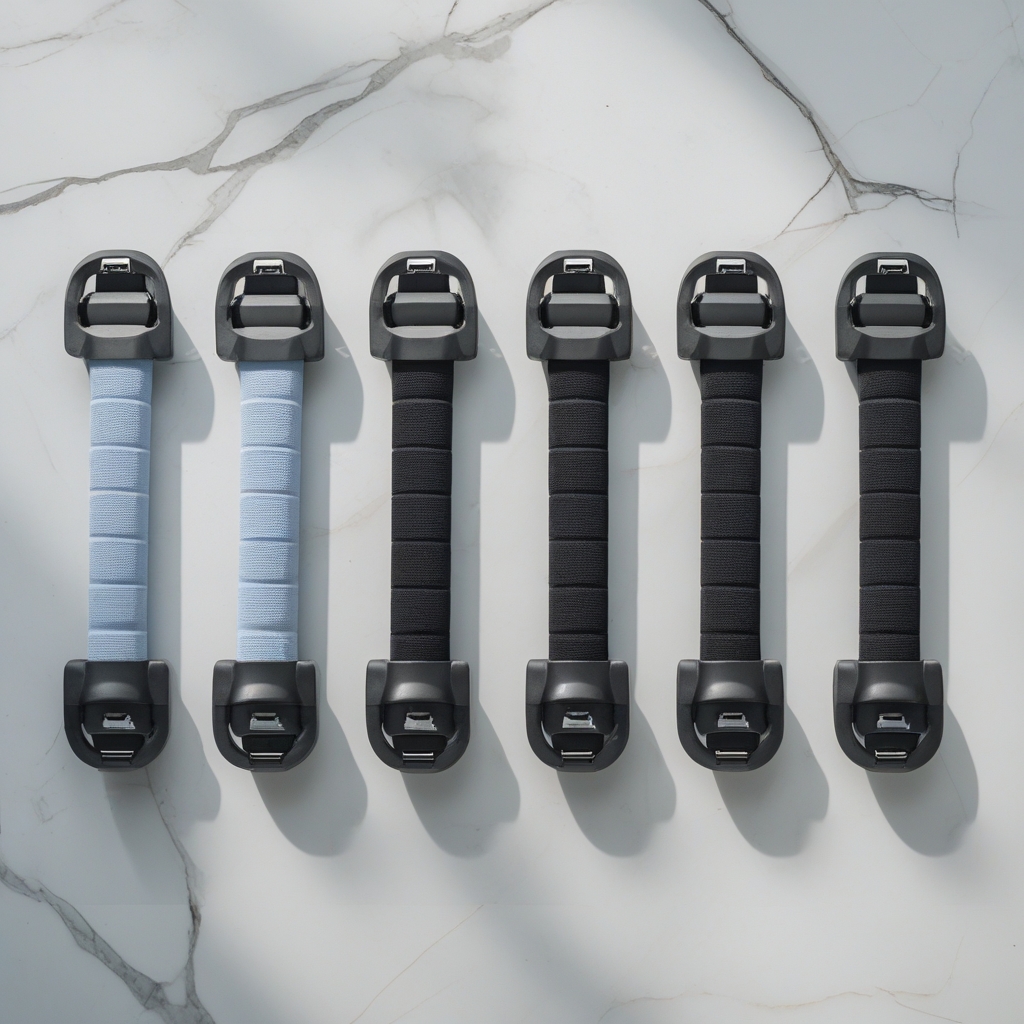
Selecting the right Fitness Hand Gripper is a multi-step process that requires a clear understanding of your current physical capabilities and your long-term training objectives. It is not simply a matter of picking the strongest one available; the device must fit your hand size and provide a comfortable range of motion. A tool that is too difficult will lead to poor form and potential injury, while one that is too easy will fail to stimulate muscle growth. By following a systematic approach to selection and comparison, you can narrow down the options to the perfect match for your needs.
Step-by-Step Selection and Assessment Process
-
- Assess Your Current Strength Level: Begin by determining your baseline strength using a simple test, such as squeezing a spring-loaded doorstop or performing a set of push-ups to gauge overall endurance before introducing isolation exercises.
This initial assessment is crucial because it prevents you from under or overtraining. If you choose a Fitness Hand Gripper that is too heavy, you risk compensating with poor wrist mechanics, which can lead to tendonitis. Conversely, starting with a weight that is too light will provide little to no stimulus for muscle hypertrophy or endurance development. Take your time with this step, and if you are unsure, it is always better to start lighter and work your way up to heavier resistance as your strength improves.
-
- Compare Handle Ergonomics and Grip Texture: Once you have a resistance range in mind, physically inspect the handles to ensure they are large enough for your fingers and feature a non-slip texture that provides security during intense squeezing.
Handle ergonomics are often the deciding factor between a comfortable workout and a painful experience. If the handles are too small, they can dig into your palm, causing discomfort and cutting off circulation. Look for models with rubberized or silicone grips that offer a tactile surface, which is especially important if you have sweaty hands or plan to train outdoors. The shape of the handles should allow for a full range of motion without forcing your wrist into an unnatural angle, ensuring that the tension is distributed evenly across your hand and forearm muscles.
Comparing Models and Reading Reviews
With your criteria set, the next phase involves comparing specific models against one another. This is where you will look for user reviews that mention the longevity of the springs and the precision of the adjustment mechanism. It is highly recommended to visit reputable sites like fitness hand gripper review hubs to read detailed feedback from other users. Pay attention to comments regarding the device’s ability to withstand daily use over several months, as this will give you a realistic expectation of the product’s quality. Avoid relying solely on star ratings, as these can be manipulated; instead, read the written testimonials to understand the user’s experience with the product’s durability and performance.
Top Reasons Buyers Love This — Full Pros and Cons
There is a distinct reason why Fitness Hand Grippers have remained a staple in the fitness community for decades. Their simplicity is their greatest strength, offering a direct and effective way to target the forearms and fingers without the need for complex machinery or heavy weights. Users consistently praise these devices for their convenience and the immediate feedback they provide on grip strength. However, like any fitness tool, there are nuances to their usage that can affect user satisfaction. Understanding both the benefits and the drawbacks helps set realistic expectations for your training regimen.
- Portability and Convenience: These devices are incredibly compact, allowing you to carry them in your pocket, backpack, or purse and perform exercises virtually anywhere, from the office to the gym.
- Progressive Overload Capability: By adjusting the resistance or using different models, you can easily implement progressive overload, a key principle for continuous muscle growth and strength gains.
- Joint and Tendon Health: Regular use strengthens the connective tissues in your hands and wrists, reducing the risk of injury during heavy lifting or sports activities that require a strong grip.
- Forearm Hypertrophy: Targeted squeezing motions effectively stimulate the forearm muscles, leading to increased muscle size and definition in an area that is often neglected in traditional lifting routines.
- Stress Relief and Focus: The repetitive motion of squeezing can serve as a form of physical meditation, helping to reduce stress and improve mental focus during downtime.
- Cost-Effectiveness: Compared to other gym equipment like dumbbells or machines, a high-quality gripper is a very affordable investment that provides a high return on investment in terms of convenience and utility.
The Most Impactful Benefit: Injury Prevention and Rehabilitation
Beyond aesthetics and strength gains, the most compelling reason to incorporate a Fitness Hand Gripper into your routine is the significant role it plays in injury prevention and rehabilitation. Strong hands and wrists are the foundation of almost all upper body movements, from bench pressing to rock climbing. By strengthening the small stabilizer muscles and tendons around the wrist, you create a more stable foundation that can handle heavier loads without the risk of strain. Furthermore, for individuals recovering from minor wrist injuries, low-resistance gripper exercises can help maintain range of motion and blood flow without putting excessive stress on the healing tissue.
Top Picks, Alternatives, and Head-to-Head Comparison
While the standard spring-loaded gripper is the most popular choice, the market offers several alternatives that cater to different training philosophies and physical limitations. When choosing between these options, it is important to consider your specific goals, whether that is pure strength, endurance, or rehabilitation. Some alternatives offer a different angle of resistance or a different mechanism of action that might yield better results for certain users. A head-to-head comparison helps clarify which tool is the best fit for your personal training style.
Alternative: Finger Weights vs. Hand Grippers
One of the most common debates in grip training is between traditional hand grippers and finger weights. Finger weights are bands or clips that attach to your fingers, adding external resistance that increases as you open and close your hand. While finger weights are excellent for building finger strength and dexterity, they do not provide the same level of forearm muscle isolation as a gripper. A Fitness Hand Gripper forces you to engage the entire forearm complex, including the flexors and extensors, in a balanced way. For a general fitness enthusiast looking to improve overall arm strength, the gripper is generally the superior choice due to its ability to target multiple muscle groups simultaneously.
Ultimately, the best choice depends on your specific needs. If you are a pianist, guitarist, or rock climber, finger weights might offer the specific isolation you require. However, for the average person looking to improve their deadlift, carry groceries, or simply build a stronger upper body, the comprehensive muscle activation provided by a standard gripper makes it the winner in this comparison.
Common Buying Mistakes and How to Avoid Buyer’s Remorse
Even the best product can fail to deliver results if it is purchased for the wrong reasons or used incorrectly. Many buyers fall into the trap of choosing a device based solely on marketing hype or the advice of influencers without considering their own physical limitations. This often leads to frustration and the feeling that the product is “junk.” By identifying the most common mistakes made during the buying process, you can safeguard your investment and ensure that your training program remains effective and enjoyable.
- Ignoring Hand Size Compatibility: Buying a gripper with handles that are too small or too large can lead to discomfort and poor form, negating the benefits of the exercise.
- Choosing Too Much Resistance Too Soon: Attempting to use a gripper that is significantly stronger than your current level can cause wrist strain and demotivation; always start lighter and work your way up.
- Overlooking Material Quality: Prioritizing price over quality often results in purchasing a plastic or poorly constructed metal device that loses tension or breaks after a few weeks.
- Neglecting Adjustability: Buying a fixed-resistance gripper when you are unsure of your strength level limits your growth potential; adjustable models offer better long-term value.
- Forgetting to Read Reviews: Relying solely on product descriptions can lead to disappointment; real user reviews provide insight into durability and actual performance.
Avoiding these pitfalls requires a bit of research and self-awareness. Take the time to measure your hand span and test different resistance levels if possible. Remember that grip strength is a skill that takes time to develop, and rushing the process will only lead to injury and regret. By making an informed decision, you set yourself up for success and ensure that your Fitness Hand Gripper remains a valuable part of your fitness arsenal for years to come.
Care, Warranty, Returns, and Getting the Most From Your Purchase
To maximize the lifespan of your Fitness Hand Gripper and ensure it continues to perform optimally, proper care and maintenance are essential. Just like any piece of fitness equipment, these devices require attention to detail to prevent rust, wear, and mechanical failure. Additionally, understanding the warranty and return policy before making a purchase can save you from potential headaches down the line. Taking the time to care for your tool is a sign of a dedicated athlete and will directly impact the longevity and effectiveness of your training.
- Regular Cleaning: Wipe down the handles and springs with a damp cloth after each use to remove sweat and oils that can cause corrosion over time.
- Inspect for Wear: Periodically check the springs for signs of fatigue, such as permanent bends or loss of tension, and replace the device if these issues arise.
- Proper Storage: Store your gripper in a cool, dry place away from direct sunlight and extreme temperatures to prevent the metal from weakening or the rubber grips from degrading.
- Lubrication: Apply a small amount of silicone spray to the screw mechanism or moving parts to ensure smooth adjustment and prevent rust buildup.
- Resistance Rotation: To ensure even wear on the springs, occasionally rotate the gripper in your hand so that you are squeezing from slightly different angles during your workouts.
Long-Term Training Strategy and Maintenance
Implementing a long-term strategy for your grip training is just as important as the initial purchase. Consistency is key, so try to incorporate your gripper exercises into your daily routine rather than relying on sporadic gym sessions. Whether you squeeze it for a few minutes in the morning or during your lunch break, making it a habit will yield the best results. By combining consistent use with the care tips listed above, you can ensure that your Fitness Hand Gripper remains a reliable and effective tool for strengthening your hands and forearms for the foreseeable future.
Conclusion
In summary, the right Fitness Hand Gripper can be a transformative addition to your fitness routine, offering unparalleled convenience and targeted strength development. By focusing on critical factors such as material durability, ergonomic design, and resistance appropriateness, you can select a product that meets your specific needs and helps you achieve your health goals. We have explored the importance of buying at the right time, understanding the features that matter, and avoiding common mistakes that lead to dissatisfaction.
Whether you are looking to boost your athletic performance, rehabilitate an injury, or simply improve your overall hand strength, investing in a high-quality tool is a step in the right direction. We encourage you to explore the options available at fitness hand gripper resources to find the perfect match for your journey. For the most current deals and expert recommendations, be sure to check out fitness hand gripper to stay ahead of the curve and secure the best equipment for your training.
Frequently Asked Questions
How often should I use a fitness hand gripper?
For best results, you should use a fitness hand gripper daily, ideally performing 2 to 3 sets of 10 to 15 squeezes per session, allowing at least one rest day in between to allow for muscle recovery.
Can a fitness hand gripper help with carpal tunnel syndrome?
While a fitness hand gripper can help strengthen the muscles around the wrist, it should be used with caution if you have severe carpal tunnel syndrome; it is always best to consult with a healthcare professional before starting any new exercise regimen.
What is the difference between spring resistance and tension?
Spring resistance refers to the amount of force required to close the gripper, measured in kilograms or pounds, while tension can sometimes refer to the tightness of the handle adjustment mechanism or the overall feel of the grip during use.
Do I need to warm up before using a fitness hand gripper?
Yes, warming up your hands and wrists with gentle stretches or light wrist rotations before using a fitness hand gripper is highly recommended to prevent strain and injury.
Can I use a fitness hand gripper if I have arthritis?
Many people with mild arthritis find relief with gentle grip exercises, but it is crucial to start with very light resistance and avoid any movements that cause sharp pain or discomfort.