



Electric Handsaw: Best Value vs Premium 2026

When you are shopping for an electric handsaw, the sheer variety of options can be overwhelming, often leading to analysis paralysis or, worse, purchasing a tool that fails to meet your specific needs. You might feel tempted to grab the first heavy-duty model you see, but that is a recipe for frustration and potential injury. This guide exists to cut through the noise, providing you with the authoritative, unbiased insights necessary to identify a tool that is not just functional, but truly exceptional. Whether you are a seasoned contractor or a weekend DIY warrior, understanding the nuances of power, precision, and ergonomics will transform your experience, ensuring that the power tools you own actually empower you to create.
To find the best equipment, you need to look beyond the brand name and examine the engineering that goes into a high-performance electric handsaw. It is crucial to verify that the specifications align with the physical demands of your projects, rather than just the marketing hype. By taking the time to evaluate the technical details, you ensure that you are investing in a durable asset that will serve you well for years to come. This review will walk you through every critical aspect of the buying process, from understanding motor specifications to mastering safe usage techniques, equipping you with the knowledge to make a purchase you won’t regret.
In this comprehensive guide, we will explore the definitive features that separate a mediocre tool from a masterpiece of engineering. We will analyze the price history and deal timing to help you snag the lowest price possible, and we will provide a step-by-step comparison process to ensure you choose the perfect model. By the end of this article, you will have a clear roadmap for selecting the right equipment, understanding the long-term benefits of proper maintenance, and avoiding the common pitfalls that trap inexperienced buyers. Let’s dive into the details and find the tool that will elevate your craftsmanship.
Key Buying Criteria and Must-Have Features
Before you even begin browsing online marketplaces, you must establish a clear set of requirements based on the type of work you intend to perform. Not all power tools are created equal, and assuming that a powerful motor is always the best choice can lead to unnecessary fatigue and reduced precision. You need to consider the physical environment in which you will be working, the density of the materials you plan to cut, and the level of accuracy you require. A thoughtful assessment of these factors at the outset will save you significant time and money in the long run, ensuring that your investment is perfectly matched to your skill set and project scope.
- Motor Power and Amperage: The motor is the heart of any power tool, and its size determines how much torque is available for cutting through tough materials.
- Blade Type and Compatibility: Ensure the saw accepts standard blades that are readily available, and consider if you need specialized blades for specific materials like metal or tile.
- Ergonomics and Weight: A heavy tool can cause fatigue over long periods; look for models with balanced weight distribution and comfortable grips.
- Depth of Cut Capacity: Verify the maximum depth the saw can cut at various angles to ensure it meets the requirements of your largest lumber pieces.
- Safety Features: Essential safety mechanisms like blade guards, electric brakes, and trigger locks are non-negotiable for protecting yourself and others.
The Importance of Motor Power and Amperage
The most critical component to scrutinize is the motor, which dictates the tool’s overall performance and longevity. A higher amperage rating generally indicates a more robust motor capable of sustained heavy-duty work without overheating or stalling. When you are selecting your equipment, imagine the stress placed on the motor when cutting through dense hardwoods or thick plywood; a powerful motor will handle this stress with ease, whereas a weaker motor will bog down and burn out. Therefore, prioritize models with at least 10 to 15 amps of power if you plan on doing serious construction work, as this ensures you have the reserve power needed for difficult cuts.
Price History, Deal Timing, and When to Buy
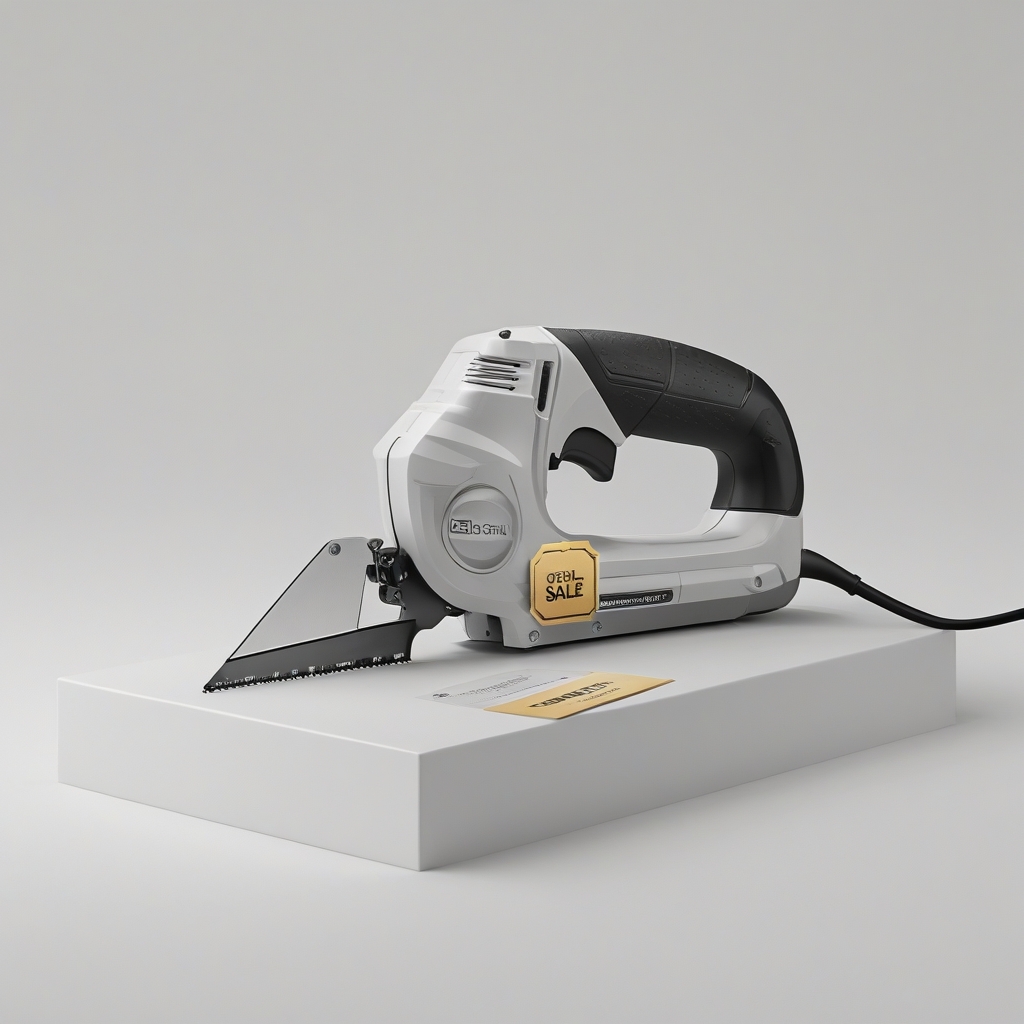
Timing your purchase can be just as important as the product itself, as high-quality tools often fluctuate in price based on seasonal trends and inventory cycles. Retailers frequently clear out stock at the end of the year or during major holidays to make room for new models, creating prime opportunities for savvy buyers. You should monitor price history charts for the specific model you are interested in to identify historical lows and avoid paying premium prices during peak seasons. By understanding these market dynamics, you can time your acquisition to secure the best possible value without compromising on the quality of your chosen electric handsaw.
| Timeframe | Expected Price Trend | Recommended Action |
|---|---|---|
| Black Friday / Cyber Monday | Historically the lowest point of the year | Buy immediately if your shortlisted model is on sale. |
| New Year (January) | Post-holiday clearance, inventory restocking | Wait for restocks or look for clearance on previous year’s models. |
| Spring (March – May) | Standard pricing, start of construction season | Avoid buying unless a specific promotion is running. |
Understanding Seasonal Sales Cycles
The construction and DIY industry follows a predictable seasonal rhythm that heavily influences pricing strategies. After the winter lull, demand typically spikes in early spring as homeowners begin renovation projects, causing prices to rise. Conversely, the lull in late autumn and winter often leads to aggressive discounting to move inventory. If you can delay your purchase until the off-season, you might find significant savings. However, if you cannot wait, watching for mid-season sales or bundle deals can also provide a sweet spot between availability and cost.
How to Choose, Compare, and Order the Right Product
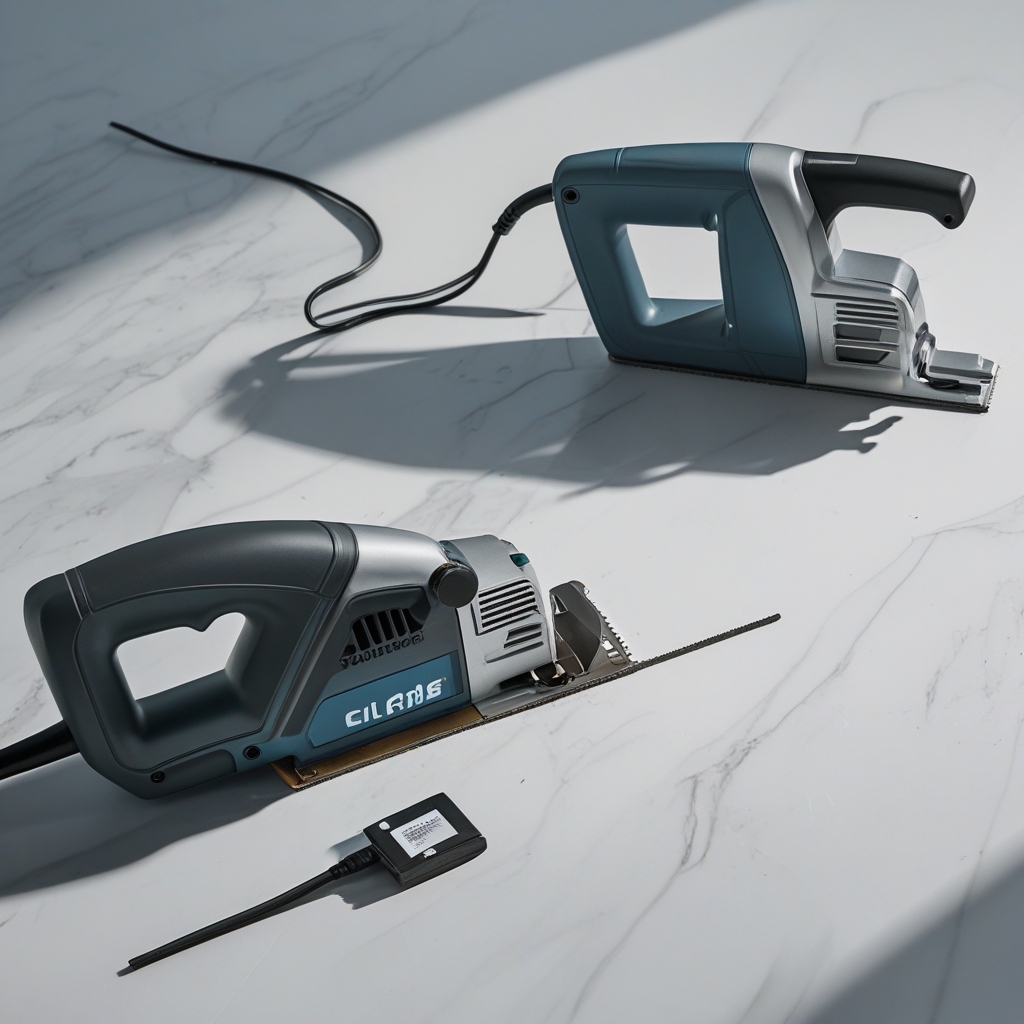
Navigating the complex landscape of power tools requires a structured approach that moves from abstract desires to concrete specifications. You cannot simply rely on reviews or ratings without understanding the context in which they were performed. You must define the scope of your projects, establish a budget, and then rigorously compare technical specifications against those criteria. This methodical process eliminates emotional decision-making and ensures that the tool you select is objectively the best fit for your specific needs. By following a clear comparison framework, you can confidently narrow down your options and focus only on the products that truly merit your consideration.
Phase One: Define Your Project Scope and Requirements
- Identify the Material: Determine exactly what types of material you will be cutting most frequently, such as softwoods, hardwoods, or engineered composites.
Understanding the material density is the first step in selecting the right blade and motor power. For instance, cutting through thick oak requires significantly more torque than cutting pine, so you must align the tool’s specifications with the toughest material you plan to encounter.
- Determine the Cutting Depth: Measure the maximum thickness of lumber you expect to cut to ensure the saw’s depth-of-cut capacity is sufficient.
Depth of cut capacity is a critical safety and functionality metric. If a saw cannot cut through your material in a single pass, you risk splintering the wood or damaging the blade, which can be dangerous and inefficient.
Phase Two: Research and Compare Specifications
- Analyze User Reviews for Real-World Feedback: Look beyond star ratings and read detailed reviews that discuss battery life, vibration, and ease of use.
User reviews provide invaluable insights into how a tool performs under actual conditions, often revealing issues that manufacturers gloss over in technical specifications.
- Compare Features Against Competitors: Create a comparison chart that lists key features like weight, cord length, and included accessories side-by-side.
Using a comparison chart helps you visualize the differences between similar models, making it easier to see which features justify a higher price point and which are merely marketing fluff.
Once you have completed your research, you can confidently move to the purchasing phase. For those seeking a deeper understanding of the technical nuances involved in selecting high-performance gear, you can find expert insights at electric handsaw. This resource will help solidify your final decision by providing a professional perspective on the technical details that matter most.
Top Reasons Buyers Love This — Full Pros and Cons
Investing in a high-quality power tool is a decision that pays dividends in efficiency and precision, and users consistently praise these devices for their transformative impact on workflow. The shift from manual labor to electric assistance is profound, allowing for cleaner cuts and faster completion times that were previously unattainable. Buyers often report that the initial investment is quickly offset by the time saved and the reduction in physical fatigue, making the purchase feel like a smart long-term strategy rather than an expense. When you evaluate your options, focusing on these tangible benefits will help you appreciate the value of premium equipment.
- Unmatched Precision and Control: Users love the ability to make clean, accurate cuts that are difficult or impossible to achieve with manual saws.
- Reduced Physical Fatigue: The electric motor does the heavy lifting, allowing you to work for longer periods without straining your muscles or back.
- Time Efficiency: Electric tools cut through material much faster than manual alternatives, significantly speeding up project completion.
- Durability and Longevity: High-quality construction ensures that the tool withstands heavy use and lasts for many years.
- Versatility: Many models come with interchangeable blades, allowing one tool to handle various cutting tasks.
- Safety Features: Modern tools often include built-in safety mechanisms that prevent accidents and protect the user.
The Impact of Unmatched Precision
One of the most frequently cited benefits by satisfied users is the level of precision that a high-quality tool provides. The ability to make straight, clean cuts every time elevates the quality of the final project, reducing the need for sanding and patching. This precision not only improves the aesthetic result but also enhances the structural integrity of the assembly, which is critical for load-bearing projects. When you are working on intricate cabinetry or precise framing, the confidence that comes with a reliable tool is invaluable.
Top Picks, Alternatives, and Head-to-Head Comparison
While the market is flooded with options, a few models consistently stand out for their balance of performance, price, and user satisfaction. Comparing these top contenders side-by-side allows you to see where each model excels and where it might fall short. It is essential to look beyond the brand reputation and examine the specific features that align with your usage patterns. By understanding the strengths and weaknesses of the leading options, you can make an informed choice that fits your specific requirements perfectly.
The Circular Saw Alternative for Long Rip Cuts
For those who prioritize long, straight cuts over intricate detail work, a circular saw is often the superior alternative to other electric handsaw types. While a jigsaw offers great maneuverability for curves, it lacks the speed and power needed for ripping large sheets of plywood or cutting through thick beams. A high-quality circular saw provides a flat base that rides on the material, ensuring a straight line with minimal effort. If your primary goal is efficiency in large-scale cutting, this alternative might be the better investment for your toolkit.
Common Buying Mistakes and How to Avoid Buyer’s Remorse
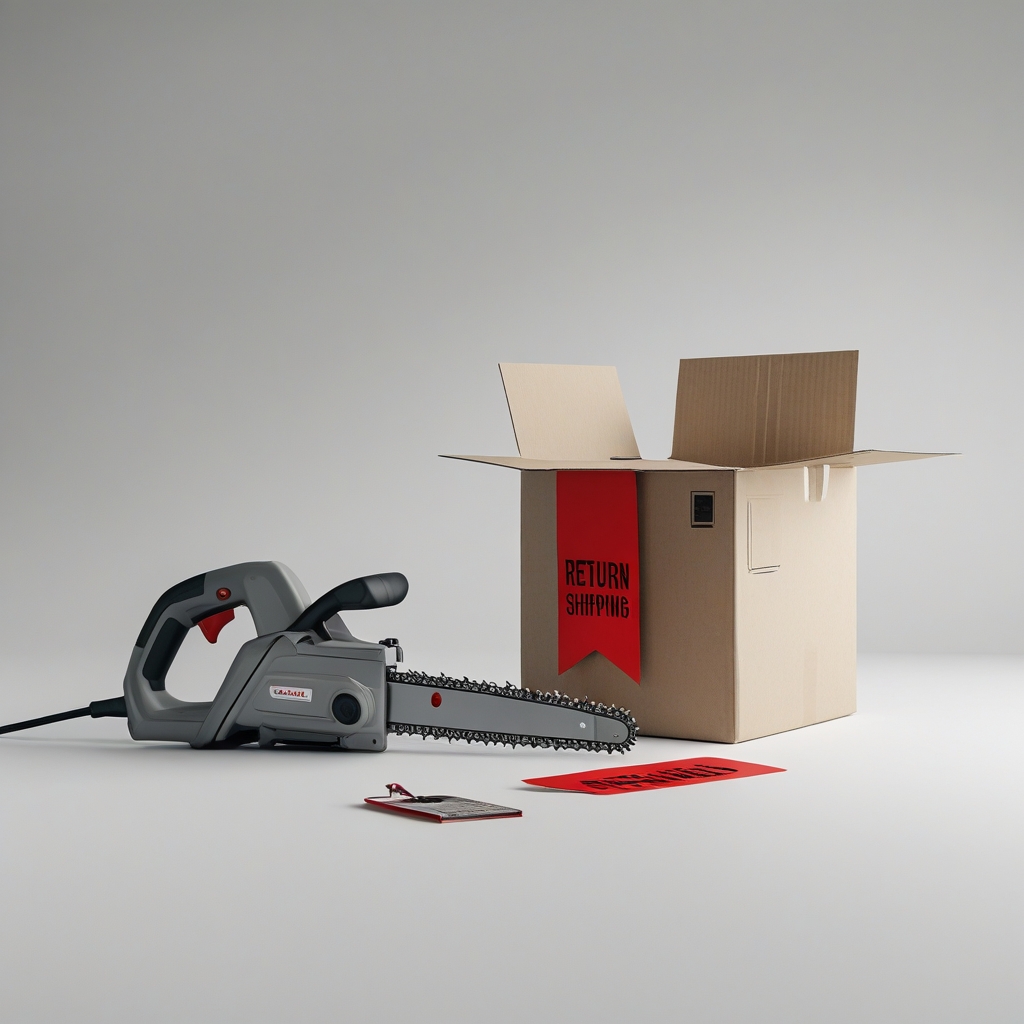
Even the most diligent shoppers can fall prey to common pitfalls that lead to disappointment after the purchase is made. Buyer’s remorse often stems from a lack of preparation or a failure to critically evaluate how a tool will fit into your actual workflow. It is easy to be swayed by flashy marketing or low price points without considering the long-term implications of your choice. By being aware of these frequent mistakes, you can take proactive steps to avoid them and ensure that your purchase brings you joy rather than regret.
- Overlooking Ergonomics: Buying a powerful tool that is too heavy or uncomfortable to hold will lead to early fatigue and potential injury.
- Ignoring Safety Ratings: Skipping safety features like blade guards or electric brakes can expose you to unnecessary risks on the job site.
- Purchasing Based on Price Alone: The cheapest option often has the lowest quality motor and poor build materials, which will fail prematurely.
- Not Checking Warranty Coverage: Failing to understand the warranty terms can leave you stranded with a broken tool and no recourse for repair.
- Forgetting to Check Blade Availability: Buying a saw with proprietary blades that are expensive or hard to find can make the tool useless in the long run.
By avoiding these common errors and focusing on the specific needs of your projects, you can ensure a purchase that is both satisfying and effective. Remember, the best tool is not necessarily the most expensive one, but the one that best fits your unique situation and skill level.
Care, Warranty, Returns, and Getting the Most From Your Purchase
To ensure your investment lasts for decades, you must treat your power tool with the respect it deserves. Proper care goes beyond just wiping it down after use; it involves understanding the maintenance requirements of the motor, blades, and housing. A well-maintained tool not only performs better but also remains safe to operate. Furthermore, familiarizing yourself with the warranty terms and return policies is crucial. If a defect arises, knowing exactly how to initiate a return or claim a warranty can save you significant stress and financial loss down the line.
- Regular Cleaning and Lubrication: Remove dust and debris from vents and moving parts regularly to prevent overheating and mechanical failure.
- Blade Maintenance: Keep blades sharp and clean to ensure efficient cutting and to reduce the strain on the motor.
- Proper Storage: Store the tool in a dry, secure location, ideally in a case or on a shelf, to protect it from moisture and impact.
- Electrical Safety Checks: Periodically inspect power cords and plugs for fraying or damage before every use.
- Follow Manufacturer Guidelines: Adhere strictly to the user manual for maintenance schedules and operating limits to avoid voiding the warranty.
Long-Term Maintenance Strategy
Implementing a long-term maintenance strategy is the key to maximizing the lifespan of your equipment. This involves creating a schedule for regular check-ups, such as tightening loose screws, checking the alignment of the blade guard, and replacing worn-out parts. By staying ahead of wear and tear, you prevent minor issues from becoming major failures. This proactive approach not only extends the life of your tool but also ensures that it operates at peak performance every time you turn it on.
Conclusion
Ultimately, choosing the right power tool is about finding the perfect balance between power, precision, and price. By carefully considering the factors outlined in this guide—from motor amperage to ergonomics—you are equipped to make a decision that will serve you well for years to come. We have explored the essential features, timing strategies, and maintenance tips that define a high-quality purchase. If you are ready to take the next step in upgrading your toolkit, you can find expert guidance on selecting the perfect electric handsaw that meets your exact specifications.
Don’t let the complexity of the market overwhelm you; use the knowledge you have gained here to shop with confidence. Whether you are tackling a simple home repair or a complex construction project, the right tool is out there waiting for you. Take your time, compare your options, and prioritize quality over convenience. By doing so, you will avoid the pitfalls of buyer’s remorse and enjoy the satisfaction of owning a tool that truly delivers on its promises. Start your project with the best equipment available, and watch your results improve dramatically.
Frequently Asked Questions
What is the difference between a circular saw and a jigsaw?
A circular saw is designed for making long, straight cuts in wood and is generally faster and more powerful, whereas a jigsaw is designed for intricate curves and detailed cuts in various materials.
How often should I replace the blade on my electric handsaw?
You should inspect your blade before every use and replace it if you notice signs of dullness, chipping, or bending to ensure clean cuts and prevent motor strain.
Is a corded or cordless saw better for heavy-duty projects?
For heavy-duty projects, a corded saw is generally better because it provides consistent power without the limitations of battery life and weight.
What safety gear is essential when using an electric handsaw?
Essential safety gear includes safety glasses to protect your eyes, hearing protection to guard against loud noise, and gloves to improve grip and protect your hands.
Can I use a metal blade on a wood saw?
Using the wrong blade can damage both the blade and the saw’s motor. It is crucial to use the specific blade type designed for the material you are cutting to ensure safety and efficiency.