


Dog Training Clicker: Master Obedience Fast 2026

Training a new puppy or refining an old dog’s recall can be one of the most rewarding, yet frustrating, experiences you will ever face as a pet owner. You might find yourself shouting commands that go ignored or struggling to pinpoint exactly what behavior you want to reinforce. This is where precision matters most, and a high-quality **Dog Training Clicker** acts as that critical bridge between your command and your dog’s understanding. If you are serious about positive reinforcement methods, you need a tool that is reliable, durable, and easy to use. For a comprehensive guide on selecting the best gear for your specific needs, you should check out Dog Training Clicker resources to understand the landscape better.
While treats are the language of reward, the clicker is the grammar that structures that learning. It provides a distinct, sharp sound that is impossible to confuse with your voice, allowing for micro-second timing that builds a strong neural pathway in your pet’s brain. However, not all clickers are created equal, and a subpar device can lead to confusion and slow progress. To truly master this technique, you must understand that the device is only as good as the consistency behind it. If you are looking to maximize your efficiency and ensure you get the most out of every training session, visiting Dog Training Clicker reviews can provide the insights necessary to avoid cheap, unreliable plastic gadgets.
This guide is designed to cut through the noise of online marketplaces and help you find a tool that fits your specific training style, budget, and dog’s personality. We will dive deep into the technical specifications that matter, analyze market trends to help you snag a deal, and walk you through the exact process of integrating this tool into your daily routine. Whether you are a professional behaviorist or a first-time guardian, the following breakdown will equip you with the knowledge to make an informed purchase.
Key Buying Criteria and Must-Have Features
Before you even look at the price tag, it is essential to understand that a clicker is a precision instrument for communication. The primary goal is to isolate a specific behavior and mark it instantly. Therefore, the device you choose must be capable of producing a sound that is distinct from your voice, consistent in volume, and free of mechanical failures that could cause it to click at the wrong moment. You need to evaluate the build quality to ensure it can withstand the inevitable drops and bumps that occur during active training sessions outdoors or indoors.
- Sound Clarity: The clicker must emit a sharp, crisp “click” sound that cuts through background noise without being overly loud or jarring.
- Durability and Build: Look for reinforced plastic or metal cases that can survive being dropped on concrete or chewed on by teething puppies.
- Size and Ergonomics: The device should fit comfortably in your hand, allowing for easy access and reducing fatigue during long training sessions.
- Battery Life: If it is electronic, ensure it has a reliable power source and that the battery compartment is waterproof to prevent moisture ingress.
- Sound Customization: Some advanced models allow you to adjust the volume or pitch, which can be useful for training dogs with hearing impairments or for different environments.
Sound Quality and Frequency
When discussing the most critical prerequisite, sound quality is undoubtedly the defining factor. A **Dog Training Clicker** relies on the psychological principle of classical conditioning; the sound must be distinct enough to be recognized as a “secondary reinforcer.” If the click sounds like a rustle of paper or a squeak of a toy, your dog may associate the sound with playfulness rather than a specific command. The ideal clicker produces a sound frequency that is high enough to be piercing but not so high that it causes discomfort to sensitive canine ears.
This is why metal clickers are often preferred over plastic ones, as metal offers a more metallic, resonant tone that is universally understood by animals. You must test the sound yourself to ensure it meets these acoustic standards before committing to a purchase.
Investing in a device that prioritizes these features ensures that your training sessions are efficient and effective. A good clicker is not just a gadget; it is an investment in your relationship with your pet, facilitating clear communication that leads to better behavior.
Price History, Deal Timing, and When to Buy
Timing your purchase is just as important as selecting the right model. Prices for training tools can fluctuate wildly based on the season, major retail events, and the popularity of specific brands. Generally, you will see the lowest prices during major shopping holidays like Amazon Prime Day, Black Friday, or Cyber Monday, when retailers compete for market share. However, if you are in a rush to start training a new puppy, waiting for a sale might not be feasible. Understanding the average price points and historical trends can help you distinguish between a genuine discount and a “sale” price that is actually the standard cost.
| Timeframe | Typical Price Range | Availability Status |
|---|---|---|
| Peak Season (Feb-Nov) | $5.00 – $12.00 | High Demand |
| Major Sales Events (Prime Day, BF) | $3.00 – $8.00 | Stock Dependent |
| Post-Holiday Lull (Jan-Feb) | $6.00 – $15.00 | Low Demand |
Seasonal Sales Cycles
One of the key factors affecting timing is the “back-to-school” and “new year” cycle. Many pet owners resolve to train their dogs better in January, leading to a temporary spike in demand for clickers. Conversely, after the holiday rush, retailers often have clearance sales on pet supplies to make room for spring inventory. By monitoring price history tools, you can identify these patterns. For instance, if a specific **Dog Training Clicker** model has a historical low of $4.00 but is currently selling for $9.00, it is likely overpriced. Waiting for a mid-summer slump or a specific retailer’s anniversary sale can save you a significant amount of money without compromising quality.
How to Choose, Compare, and Order the Right Product

Choosing the right training tool requires a systematic approach. You cannot simply rely on a flashy picture or a catchy tagline; you must evaluate the functional aspects of the device to ensure it aligns with your training goals. This process involves researching specifications, reading user feedback, and understanding the logistics of how the device fits into your daily routine. A systematic comparison will highlight the subtle differences between similar products that a casual glance might miss.
Phase 1: Research and Specification Analysis
The first step in your selection process involves gathering data on the specific models that meet your basic criteria. You should create a shortlist of 3 to 5 top-rated products and compare them side-by-side. Look for reviews that mention the tactile feedback of the clicker and the longevity of the battery. It is also vital to check the return policy of the retailer, as electronic devices sometimes have defects that only become apparent after a few uses.
When analyzing specifications, pay close attention to the material composition; for example, metal clickers are heavier but less prone to cracking than plastic ones. To get a broader perspective on what professionals are using, you might want to explore Dog Training Clicker options that are highly rated by behavioral experts.
- Compile a list of top-rated models based on user reviews and expert opinions.
- Compare the physical dimensions and weight of each device to determine which is most comfortable for your grip.
- Verify the power source and battery life for electronic models.
- Check for additional features such as volume control, tone adjustments, or attached lanyards.
- Read through customer service feedback to ensure the manufacturer stands behind their product warranty.
Phase 2: The Purchase and Integration Process
Once you have narrowed down your choices to the best option, the next phase is ensuring a smooth purchase and setup. This is the stage where you transition from a researcher to a practitioner. You need to verify that the retailer is reputable and that the item will arrive before your next training session. After receiving the device, the integration phase is critical; simply buying a clicker does not guarantee training success.
You must pair the sound of the click with a high-value treat immediately to establish the association. For a deeper dive into the mechanics of setting up your new gear, visiting Dog Training Clicker guides can provide step-by-step instructions on how to break in your device and maximize its potential.
- Confirm the delivery date and ensure you have treats ready to pair with the clicker immediately upon arrival.
- Charge or insert batteries if the device is electronic, ensuring it is tested before the first use.
- Practice the “charging” phase by clicking and treating in rapid succession until your dog anticipates the reward.
- Carry the device with you at all times during the initial training week to build the habit of using it on command.
- Monitor your dog’s reaction to the sound to ensure they are not showing signs of anxiety or confusion.
Top Reasons Buyers Love This — Full Pros and Cons
Positive reinforcement is the gold standard in modern animal training, and the **Dog Training Clicker** is the quintessential tool for this method. Buyers consistently praise these devices for their ability to bridge the communication gap between human and animal. The psychological impact of using a clicker is profound; it removes the ambiguity of verbal praise, allowing for a precise association between an action and a reward. This leads to faster learning curves and a more enthusiastic response from dogs of all ages and breeds.
- Enhanced Precision: The clicker marks the exact moment a behavior occurs, which is impossible to do with a voice command alone.
- Speed of Learning: Dogs often learn new commands significantly faster when a distinct marker sound is used to guide them.
- Portability: Clickers are small, lightweight, and can be easily attached to a keychain or lanyard for on-the-go training.
- Durability: Most high-quality clickers are built to last, often outlasting the training needs of multiple pets.
- Cost-Effectiveness: Compared to expensive behavioral therapy or specialized classes, a clicker is a one-time investment with massive returns.
- Versatility: This tool is not limited to basic commands; it can be used for tricks, agility training, and correcting specific behavioral issues.
The Power of Precision
Among the various benefits, the most impactful advantage is undoubtedly the element of precision. When you are training a complex behavior, such as teaching a dog to “stay” for ten minutes, the moment the dog successfully holds the position is fleeting. A verbal cue might be missed if you are too late, but a sharp click captures that exact micro-moment. This precision reinforces the specific behavior you want, making it much more likely to be repeated. Without this tool, you are essentially guessing when to reward your dog, leading to inconsistent results and a confused animal. The clicker acts as a stopwatch and a reward system combined, ensuring that your dog knows exactly what they did right.
This clarity fosters a positive relationship between you and your pet, as they quickly learn that you are a source of clarity and rewards. It transforms training from a frustrating guessing game into a structured and enjoyable activity.
Top Picks, Alternatives, and Head-to-Head Comparison
While the standard plastic clicker is the industry standard, the market is diverse enough to offer alternatives that cater to specific preferences. Some trainers prefer the sound of metal, while others might look for devices that integrate with smartphone apps for data tracking. Comparing these options helps you find a tool that suits your specific sensory preferences and training philosophy. It is important to remember that the best tool is the one you will actually use consistently.
The “Verbal Clicker” Alternative
One significant alternative to the traditional handheld clicker is the use of a verbal marker or a whistle. While not a physical device in the same sense, this method relies on the trainer’s voice to produce a distinct sound, such as a sharp “yes” or a specific whistle pattern. This alternative is often chosen by professional trainers who need to keep their hands free or who are training in environments where the noise of a mechanical clicker might be distracting.
However, this method requires a much higher level of control over your own voice and timing. The mechanical clicker is still superior for beginners because it removes the variability of human sound production. If you are interested in exploring different methodologies or looking for advanced gear, checking out Dog Training Clicker alternatives can provide a wider array of options beyond the standard box.
When comparing the two, the mechanical clicker wins on reliability and distinctiveness, while the verbal method offers more freedom of movement. For most pet owners, the tactile feedback of a physical device provides a better connection to the training process.
Common Buying Mistakes and How to Avoid Buyer’s Remorse
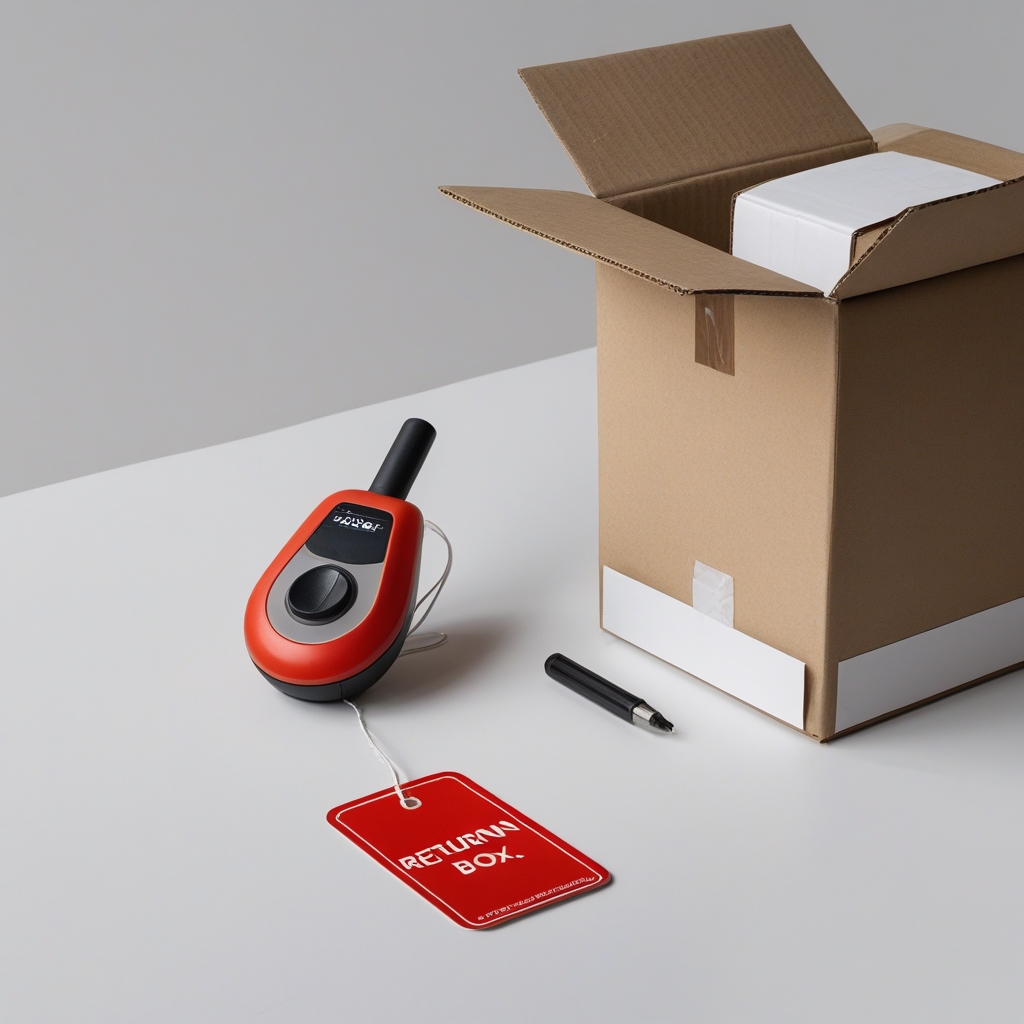
Even the best tool will fail if it is used incorrectly or if the buyer makes poor purchasing decisions. Buyer’s remorse often stems from a lack of understanding regarding how the product works or how it fits into the larger training ecosystem. Common pitfalls include choosing a device based solely on aesthetics rather than functionality, or failing to understand that the clicker is just one part of a three-part equation: Mark, Treat, Repeat. Avoiding these mistakes will save you money and ensure a smoother training experience.
- Purchasing Based on Looks: Do not buy a clicker just because it is cute or has a fun color. The sound quality is the only thing that matters.
- Ignoring the Battery Type: Ensure the clicker uses standard batteries that are easy to replace, rather than expensive or hard-to-find proprietary cells.
- Forgetting to Pair with Treats: A clicker is useless without a reward. Never buy one without planning your treat strategy.
- Using It as a Toy: Some buyers leave the clicker lying around, causing the dog to associate it with playtime rather than training.
- Clicking Randomly: The most critical mistake is clicking without a clear behavior to mark, which confuses the animal.
- Overlooking the Warranty: Electronics can fail; always check if the manufacturer offers a replacement guarantee.
To avoid these traps, approach your purchase with the mindset of a scientist. Treat the clicker as a precision instrument, not a toy. By understanding its function and respecting its purpose, you will find that it becomes an indispensable part of your toolkit.
Care, Warranty, Returns, and Getting the Most From Your Purchase
To ensure longevity and optimal performance, your clicker requires minimal maintenance but specific care. Since it is a tool used in potentially dirty environments, hygiene is a primary concern. Additionally, understanding the warranty terms can save you from frustration if the device malfunctions. Treating this small gadget with care will extend its life significantly, allowing you to use it with multiple pets over the years.
- Regular Cleaning: Wipe the clicker down with a damp cloth after outdoor training sessions to remove dirt and grime.
- Battery Maintenance: Remove batteries if storing the device for long periods to prevent corrosion.
- Storage: Keep the clicker in a dry place, away from extreme temperatures that could warp plastic or damage electronics.
- Seal Check: If the device is waterproof, periodically check the seals to ensure water hasn’t penetrated over time.
- Test Regularly: Click the device weekly to ensure the spring mechanism is still functioning correctly.
Long-Term Consistency Strategy
The most important aspect of caring for your training tools is maintaining the consistency of your training routine. A clicker is only as good as the training it supports. Over time, dogs may become desensitized to the sound if used incorrectly, so it is vital to refresh their understanding of the association periodically. Treat the clicker as a long-term investment in your dog’s behavioral health, and it will serve you well for years to come.
Conclusion
In summary, the right **Dog Training Clicker** is a fundamental tool that can revolutionize how you communicate with your dog. By focusing on sound quality, durability, and your own consistency, you can ensure that you get the best value out of your purchase. It is not just about buying a gadget; it is about committing to a method of training that fosters trust and understanding. If you are ready to take the next step in your training journey, you can find more detailed reviews and guides at Dog Training Clicker to help you finalize your decision.
Ultimately, the success of your training lies in your hands and your patience. This guide has provided the roadmap you need to navigate the market, avoid common errors, and select a tool that will serve you well. Don’t let another training session be marked by confusion and frustration. Equip yourself with the knowledge to choose wisely and start building a better relationship with your pet today. For a broader perspective on what works best for different breeds and temperaments, exploring Dog Training Clicker comparisons can give you the edge you need.
Frequently Asked Questions
Can I use a clicker for all types of training?
Yes, a clicker is versatile and can be used for basic obedience, trick training, behavior modification, and even agility courses. However, it is most effective when you need to mark precise movements or behaviors.
How do I introduce the clicker sound to my dog?
Start by clicking and immediately giving your dog a high-value treat. Repeat this “charging” phase until your dog looks at you expectantly when they hear the click, signaling they understand the sound means a reward is coming.
Is a loud clicker better?
No, a loud clicker is not necessarily better. You want a sound that is sharp and distinct but not painful to the dog’s ears. It should be audible to you but not so loud that it causes anxiety or startling.
Do I need to click every time?
Yes, consistency is key. You should only click when your dog performs the desired behavior perfectly. If you click randomly, the dog will not understand what the sound means.
What should I do if my clicker breaks?
Most plastic clickers are inexpensive, so replacement is easy. If it is an electronic model, check the batteries first. If it remains broken, you can temporarily use a verbal marker like a sharp “yes” or a distinct whistle until you can replace it.