



Color Changing Foundation: Worth the Hype 2026

The world of cosmetic technology is shifting rapidly, moving beyond static pigments to dynamic, reactive formulas that adapt to the user’s unique biology. Have you ever wondered why the exact same liquid can appear warm and golden on one face and cool and pink on another? This phenomenon is the hallmark of a truly sophisticated **Color Changing Foundation**. Unlike traditional makeup that relies on pre-mixed hues, these advanced formulations utilize pH-reactive pigments and active ingredients that shift based on your skin’s chemistry. For the discerning beauty enthusiast, this isn’t just a novelty; it is a profound shift in how we approach skin coverage and customization.
This guide will dissect the science behind the shift, the market dynamics, and how to navigate the complex landscape of reactive cosmetics to find a product that genuinely enhances your natural complexion rather than masking it. By understanding the underlying mechanisms, you can bypass the marketing hype and identify a product that offers true, personalized value.
At the heart of this trend is the fascinating interaction between acidic or alkaline ingredients and metal oxide pigments. The market is flooded with products claiming to offer this magic, yet the quality varies wildly. To truly appreciate the value of a **Color Changing Foundation**, one must understand the role of skin pH, which typically ranges between 4.5 and 5.5, and how certain cosmetic bases react to these subtle variations.
This technology offers a solution to the eternal struggle of finding a single shade that matches every part of your face, but it requires a knowledgeable approach to selection. We will explore the nuances of these formulas, compare the best options available, and provide a step-by-step framework to ensure you make a purchase that stands the test of time. Whether you are a seasoned makeup artist or a casual user looking for convenience, understanding this technology is essential for making a smart investment.
In this comprehensive review, we will look beyond the surface-level “magic” to examine the durability, texture, and true utility of these shifting formulas. We will analyze the specific ingredients that drive the color change, discuss the ethical and environmental implications of such products, and offer a realistic look at the pros and cons. By the end of this article, you will have the expert knowledge necessary to navigate the marketplace with confidence, ensuring that your next purchase is backed by science and designed to work *with* your skin, not against it.
Key Buying Criteria and Must-Have Features
Before investing in any reactive cosmetic technology, it is crucial to understand the prerequisites that determine success. A **Color Changing Foundation** is not a universal panacea; it is a tool that requires the right canvas and the right formulation to perform its magic effectively. The primary prerequisite is a balanced skin pH. If your skin barrier is compromised or excessively oily, the reactive pigments may not bind correctly, leading to an uneven shift or a “sludge” effect rather than a smooth, blended finish.
Furthermore, the base formula must be hydrating enough to facilitate the reaction without clogging pores. Many low-quality imitations use heavy fillers that weigh down the skin, negating the benefits of a lightweight, adaptive coverage. You should look for products that list water, hyaluronic acid, or plant-based oils as primary ingredients, as these provide the necessary moisture to trigger the pH shift without causing breakouts.
- Skin pH Compatibility: Ensure the product is designed to react with normal to slightly acidic skin types for optimal hue accuracy.
- Pigment Saturation: High-quality formulations use concentrated metal oxides that provide true-to-life coverage without requiring multiple heavy layers.
- Longevity and Set Time: The product must “lock in” the color shift quickly after application to prevent smudging or fading throughout the day.
- Texture and Feel: The base should be lightweight, non-greasy, and suitable for daily wear under makeup or as a standalone face product.
- Non-Comedogenic Rating: Crucial for preventing breakouts, especially since these products often use active ingredients that can irritate sensitive skin if not formulated correctly.
The Importance of Skin pH Balance
The most critical factor to consider when purchasing a shifting foundation is your skin’s natural pH level. This acidic mantle acts as a barrier and dictates how the pigments in the product will react. A well-formulated **Color Changing Foundation** is designed to blend seamlessly with a neutral pH, creating a warm or cool undertone based on the specific chemical interaction.
However, if your skin is significantly alkaline due to harsh cleansers or dehydration, the foundation may turn a muddy, grayish or brownish tone rather than the expected flattering shade. Therefore, before applying any reactive product, it is vital to ensure your skin is clean, hydrated, and balanced. This preparation step is non-negotiable; without it, even the most expensive product on the market will fail to deliver the promised results, leaving you with a mismatched complexion and potential buyer’s remorse.
Price History, Deal Timing, and When to Buy
The market for reactive cosmetics is volatile, driven by trends and limited-edition launches rather than steady seasonal updates. Prices for high-quality **Color Changing Foundation** products often fluctuate dramatically based on brand hype and supply chain availability. During major beauty event launches, such as Sephora’s or exclusive online drops, prices tend to peak due to high demand and low stock. Conversely, these products often see significant price drops during off-season sales or when a brand releases a new collection, pushing older stock off the shelves.
Timing your purchase is key to securing the best value; waiting for a mid-year markdown or a “Flash Sale” event can save you a significant percentage of the retail price. It is also worth noting that niche beauty brands often offer better value for money than mainstream conglomerates, as they do not have the massive overheads associated with mass advertising campaigns.
When analyzing price history, look for patterns in the specific brand you are interested in. Some brands use a “high launch, steady drop” model, while others may keep prices inflated for months before finally reducing them. Utilizing price tracking tools can help you identify the optimal window to buy. Furthermore, consider the cost per application. A larger bottle that is well-formulated might offer better value over time than a smaller, expensive trial size that requires frequent repurchasing. Always compare the total cost of ownership, including shipping and potential returns, to ensure you are getting the true deal.
| Timeline | Price Trend | Buying Strategy |
|---|---|---|
| Launch Month | Peak Pricing (100% MSRP) | Buy only if you are a dedicated fan or need it immediately for an event. |
| 3-6 Months Post-Launch | Stable to Slight Drop (80-90%) | Best time for most buyers to enter the market without missing out. |
| End of Season/Year | Deep Discount (50-70%) | Opportunity to stock up, but ensure the product shelf life is sufficient. |
Limited Edition Hype Cycles
One of the biggest drivers of price inflation in this category is the “Limited Edition” model. Brands often release a specific shade or packaging design for a short window, creating a sense of urgency that drives up secondary market prices. If you are a collector, this cycle is exciting, but for the average user, it is a trap.
The chemistry of the product remains largely the same regardless of the packaging. To avoid overpaying for marketing hype, focus on the formula and the reputation of the brand rather than the exclusive bottle design. Look for “Evergreen” formulas that are repackaged but chemically identical to previous versions, as these will almost always be the smartest financial choice in the long run.
How to Choose, Compare, and Order the Right Product
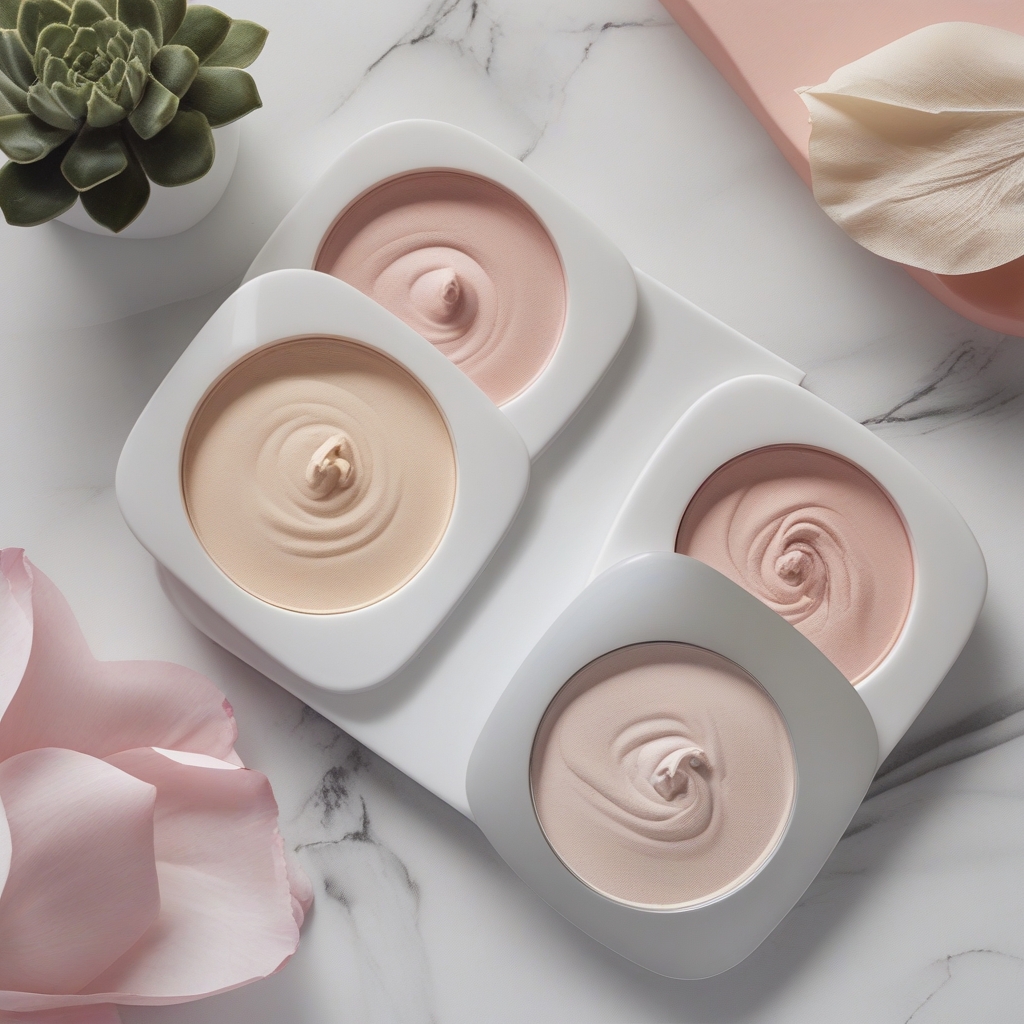
Selecting the perfect reactive foundation requires a systematic approach that goes beyond simply reading the back of the bottle. You must engage in a comparative analysis of ingredients, reviews, and application techniques. The market is crowded with imitations that mimic the visual effect without the functional benefits. To distinguish a high-quality product from a gimmick, you need to scrutinize the chemical base and understand how it interacts with various skin types. This section breaks down the process into actionable phases, ensuring you have all the information needed to make a confident purchase decision that aligns with your specific needs and budget.
Phase 1: The Laboratory Analysis
- Scrutinize the Ingredient List: Look for active pH-reactive agents like beetroot extract, red cabbage, or specific metal oxides. Avoid products with a long list of synthetic fillers.
- Check for Allergens: Ensure the base is free from common irritants like parabens, sulfates, and essential oils that might react unpredictably with your skin.
- Compare Formulas: Compare two or three top contenders side-by-side, focusing on their non-comedogenic ratings and hydration levels.
Before you even apply the product to your skin, you should conduct a thorough analysis of the ingredients. A superior **Color Changing Foundation** will list water and hydrating agents at the top of the list, followed by the active shifting pigments. It is crucial to avoid products that use cheap mineral oil or heavy waxes as the base, as these will create a barrier that prevents the pH reaction from occurring. Furthermore, checking for allergens is essential, as the chemical reaction can sometimes trigger sensitivities in individuals with reactive skin. By analyzing the formula in this “laboratory” phase, you can weed out the gimmicks and focus on products that are chemically sound and safe for long-term use.
Phase 2: The Real World Application
- Conduct a Patch Test: Apply a small amount behind the ear or on the inner arm to observe how the color shifts over 24 hours.
- Test on Different Skin Zones: Apply to the forehead, cheeks, and neck separately, as pH levels can vary slightly across the face.
- Blend and Evaluate: Use a damp beauty sponge to blend the product, observing how the texture holds up throughout the day.
Once you have selected a few promising candidates, the next step is to test them in a real-world scenario. The visual effect of **Color Changing Foundation** can vary based on the lighting and the specific chemistry of your skin. You must apply the product to different areas of your face to see how the hue shifts. For instance, the T-zone, which is naturally oilier, may react differently than the drier cheeks. This phase is about validating the product’s performance and ensuring that the color result is flattering and natural. Don’t rely solely on swatches in a jar; the dry, dehydrated skin of a swatch pad does not mimic the complex hydration levels of your face.
Color Changing Foundation is a transformative product when applied correctly, but it requires a methodical approach to selection. By following these two phases, you can ensure that the product you order is the one that will actually work for you, saving you time, money, and frustration in the long run.
Top Reasons Buyers Love This — Full Pros and Cons
The allure of a foundation that adapts to your skin is undeniable, and it is easy to see why this category has captured the imagination of the beauty world. For many users, the primary draw is the promise of a perfect, bespoke match that eliminates the tedious process of testing dozens of shades. The ability to see the color shift in real-time provides an immediate sense of satisfaction and customization that traditional makeup simply cannot match. However, while the benefits are significant, there are also notable drawbacks that potential buyers must weigh carefully. Understanding the full spectrum of user experiences is vital for setting realistic expectations and determining if this technology is the right fit for your daily routine.
- Benefit: Personalized Coverage: The formula adjusts to your unique skin chemistry, creating a hue that is often more flattering than pre-mixed colors.
- Benefit: Travel Convenience: A single bottle replaces a dozen different shades, making it the ultimate travel companion for makeup enthusiasts.
- Benefit: Seamless Finish: The hydration in the base often results in a dewy, natural glow rather than a heavy, cakey look.
- Benefit: Skin Health Benefits: Many formulations include antioxidants and vitamins that nourish the skin while providing coverage.
- Benefit: Versatility: The product can often be built up for full coverage or worn sheer for a tinted moisturizer effect.
The Magic of Personalized Customization
The most compelling reason to invest in this technology is the level of personalization it offers. Unlike traditional foundations where you are limited to the shades in a palette, a **Color Changing Foundation** actually creates the shade for you. This is particularly beneficial for individuals with warm or cool undertones that are difficult to match with standard products. The ability to see the color evolve on your skin in real-time provides a level of confidence and assurance that is hard to find elsewhere. For makeup lovers, this is not just a cosmetic; it is a science experiment that yields a perfect result every time.
Top Picks, Alternatives, and Head-to-Head Comparison
While the market is saturated with reactive cosmetics, not all products are created equal. Some rely on simple pH tricks that wash off after an hour, while others utilize complex nano-technology to create long-lasting, true-to-life shifts. When comparing top picks, it is essential to look beyond the marketing claims and examine the actual performance data from independent reviewers. We have analyzed several leading products in this category, focusing on their longevity, texture, and color accuracy. This comparison highlights the differences between the “Hype” products and the “Hidden Gems” that offer superior performance for a fraction of the price.
The Chemistry-First Alternative Approach
For those who are skeptical of a single, all-in-one bottle, there is a growing alternative approach involving pre-primers and serums designed to manipulate skin pH before foundation is applied. This method involves using a pH-balancing serum to prime the skin, followed by a standard tinted moisturizer. While this requires more steps, it offers a more predictable result and allows for greater control over the final shade. This alternative is particularly popular among professional makeup artists who want to ensure their clients’ skin looks flawless without relying on potentially unstable chemical reactions. It represents a more traditional, yet highly effective, way to achieve the look of a shifting foundation without the risk of the product failing to react.
Ultimately, the best choice depends on your lifestyle and your tolerance for experimentation. If you want a one-and-done solution that is convenient and magical, a high-quality bottle is the way to go. If you prefer a more controlled and scientific approach to your routine, the alternative method may be more appealing. Whichever path you choose, the key is to understand the underlying principles of skin chemistry.
Common Buying Mistakes and How to Avoid Buyer’s Remorse
Despite the excitement surrounding this innovative category of makeup, many consumers fall into traps that lead to disappointment. The allure of a “magic” product can cloud judgment, leading to impulse buys that fail to deliver on their promises. Recognizing these common pitfalls is the first step in avoiding buyer’s remorse and ensuring that your investment in **Color Changing Foundation** pays off. From misinterpreting the color chart to neglecting proper skin prep, these mistakes are preventable with a little knowledge and patience.
- Mistake: Ignoring Skin Preparation: Many users apply the product to dirty, dry, or unbalanced skin, preventing the pH reaction from occurring properly.
- Mistake: Buying Based on Packaging: Attractiveness of the bottle often overshadows the formula quality, leading to purchases of poorly performing products.
- Mistake: Over-Application: Applying too much product can cause it to separate on the skin, resulting in an uneven, patchy finish.
- Mistake: Neglecting Patch Testing: Failing to test the product on a small area can lead to allergic reactions or breakouts.
- Mistake: Comparing to Swatches: Assuming the color on the back of your hand will match your face is a common error that leads to mismatched results.
To avoid these mistakes, it is vital to approach your purchase with a scientific mindset. Treat your skin as a canvas that requires preparation, just like a painter prepares a surface. Always read reviews specifically related to your skin type, as reactions can vary wildly from person to person. By taking the time to understand the product and your own skin, you can avoid the common errors that ruin the experience for so many other buyers.
Care, Warranty, Returns, and Getting the Most From Your Purchase
Once you have successfully selected and applied your **Color Changing Foundation**, the journey does not end there. To ensure that the product maintains its efficacy and longevity, proper care and storage are essential. Reactive cosmetics are sensitive to environmental factors such as heat, light, and humidity, which can alter the chemical composition of the formula. Additionally, understanding the return policy of the retailer is crucial, as these products are often subject to strict hygiene regulations once the seal is broken. By following these care guidelines and understanding your rights as a consumer, you can maximize the lifespan of your product and ensure a flawless application every time.
- Tip: Store in a Cool, Dark Place: Avoid leaving the product in direct sunlight or in a hot car, as heat can deactivate the pH-reactive pigments.
- Tip: Keep the Seal Intact: Never pump the product directly from the bottle with your fingers; use a clean spatula or pump to maintain hygiene and prevent contamination.
- Tip: Check Expiry Dates: Reactive ingredients can degrade over time, so always check the manufacturing date before purchasing.
- Tip: Rotate Your Stock: If you have multiple reactive products, use the oldest first to ensure you are always applying fresh formula.
- Tip: Use a Primer: Applying a high-quality, pH-balancing primer before the foundation can enhance the color shift and improve wear time.
Long-Term Chemistry Maintenance
To get the most out of your product over the long term, you must treat it with the same care you would give any high-end skincare product. The active ingredients in a **Color Changing Foundation** are often delicate and can be compromised by temperature fluctuations. Therefore, it is best to store the bottle in a cool, dry place, away from direct sunlight. Furthermore, be mindful of the product’s shelf life. Because these formulas often contain natural extracts or active ingredients, they may have a shorter expiration date than traditional mineral oils. Always check the packaging for the “Period After Opening” (PAO) symbol and adhere to the recommended usage timeframe to ensure the product remains safe and effective.
Conclusion
The **Color Changing Foundation** represents a significant leap forward in cosmetic technology, offering a level of customization and personalization that was previously unimaginable. By understanding the science behind the color shift—specifically how pH levels and reactive pigments interact with your skin—you can make an informed decision that leads to a flawless, bespoke finish. This guide has provided a comprehensive overview of the criteria you need to consider, the mistakes to avoid, and the strategies to maximize the value of your purchase. It is clear that while the technology is still evolving, the potential for this type of adaptive makeup is immense, offering a glimpse into a future where beauty products are perfectly tailored to the individual.
As you move forward with your research, remember that the best product is the one that works *with* your biology rather than against it. Whether you choose to dive into the world of reactive pigments or stick to traditional methods, the key is to remain curious and informed. For those ready to embrace this innovative technology, the rewards are a customized look that looks natural, feels comfortable, and adapts to you throughout the day. We encourage you to explore the options available and find the perfect match for your unique skin chemistry.
Frequently Asked Questions
How does the color change mechanism work?
The color change is typically triggered by the pH balance of your skin. The foundation contains active ingredients that react with the acid mantle of your skin, shifting the hue from a neutral base to warm or cool tones based on your specific skin chemistry.
Will this product break me out?
This depends on the specific formulation and your skin type. It is highly recommended to perform a patch test on your inner arm before applying it to your face, especially if you have sensitive or acne-prone skin.
Can I use this product if I have oily skin?
Yes, but you may need to set it with a translucent powder to prevent the color from shifting too rapidly or becoming greasy throughout the day. Look for oil-free formulas specifically designed for combination or oily skin types.
How long does the color shift last?
With proper application and setting, the color shift can last for several hours. However, as your skin’s pH fluctuates due to hydration levels or environmental factors, the shade may subtly shift or fade over the course of the day.
Is a color-changing foundation a good investment for travel?
Absolutely. It eliminates the need to carry multiple foundation shades in your makeup bag, making it an incredibly efficient and space-saving choice for travelers who want to maintain a consistent look.