


Cervical traction pillow: Neck Pain Fix or Skip 2026

Finding relief from neck pain and tension starts with choosing the right therapeutic support. A Cervical traction pillow represents a significant investment in your spinal health, offering specialized support that can make the difference between restful sleep and persistent discomfort. With prices ranging from $30 to over $200, it’s crucial to understand what separates an effective therapeutic device from an ordinary pillow.
The market is flooded with options claiming to provide neck relief, but not all deliver on their promises. Whether you’re dealing with chronic pain, recovering from injury, or simply seeking better sleep posture, finding the best cervical neck pillow requires careful consideration of materials, design features, and therapeutic benefits that match your specific needs.
This comprehensive guide cuts through the marketing hype to help you make an informed decision. We’ll explore essential features, timing your purchase for maximum value, step-by-step selection criteria, and common pitfalls to avoid. By the end, you’ll have the knowledge to choose a cervical traction pillow that delivers genuine therapeutic benefits and lasting value.
Key Buying Criteria and Must-Have Features
The effectiveness of a cervical traction pillow hinges on several critical design elements that work together to provide proper neck support and alignment. Understanding these core features helps distinguish therapeutic-grade products from basic cushions marketed as neck support.
Quality materials and construction directly impact both comfort and therapeutic benefits. Medical-grade memory foam, high-density polyurethane, or natural latex should form the core, while breathable, hypoallergenic covers ensure comfort during extended use.
- Contour Design: The pillow must feature anatomically correct cervical curves that maintain proper spine alignment.
- Density Rating: Look for 4-5 lb/ft³ density for optimal support without excessive firmness.
- Height Adjustability: Multiple height settings or removable layers accommodate different body types and sleeping positions.
- Temperature Regulation: Cooling gel infusion or ventilation channels prevent heat buildup during sleep.
- Cover Material: Machine-washable, hypoallergenic fabric with moisture-wicking properties ensures hygiene and comfort.
- Size Options: Available in dimensions that fit standard pillowcases and work with adjustable beds.
Understanding Density and Support Levels
The relationship between density and therapeutic benefit is crucial for cervical traction effectiveness. Higher density materials provide more consistent support over time, while maintaining enough flexibility to conform to natural neck movements during sleep.
Price History, Deal Timing, and When to Buy
Cervical traction pillow prices fluctuate throughout the year, with significant variations during major shopping events and seasonal transitions. Understanding these patterns helps secure the best value without compromising on quality.
Historical price tracking reveals predictable discount cycles, with deepest discounts typically occurring during health and wellness promotional periods in January and September. Manufacturing updates in spring can also trigger clearance prices on previous models.
| Time Period | Average Discount | Stock Availability |
|---|---|---|
| Holiday Season (Nov-Dec) | 15-25% | Limited |
| January Health Sales | 30-40% | High |
| Spring Clearance | 20-35% | Moderate |
| Back-to-School (Aug-Sep) | 25-30% | High |
Seasonal Factors Affecting Availability
Manufacturing schedules and demand patterns create predictable inventory cycles that smart buyers can leverage for better deals.
How to Choose, Compare, and Order the Right Product
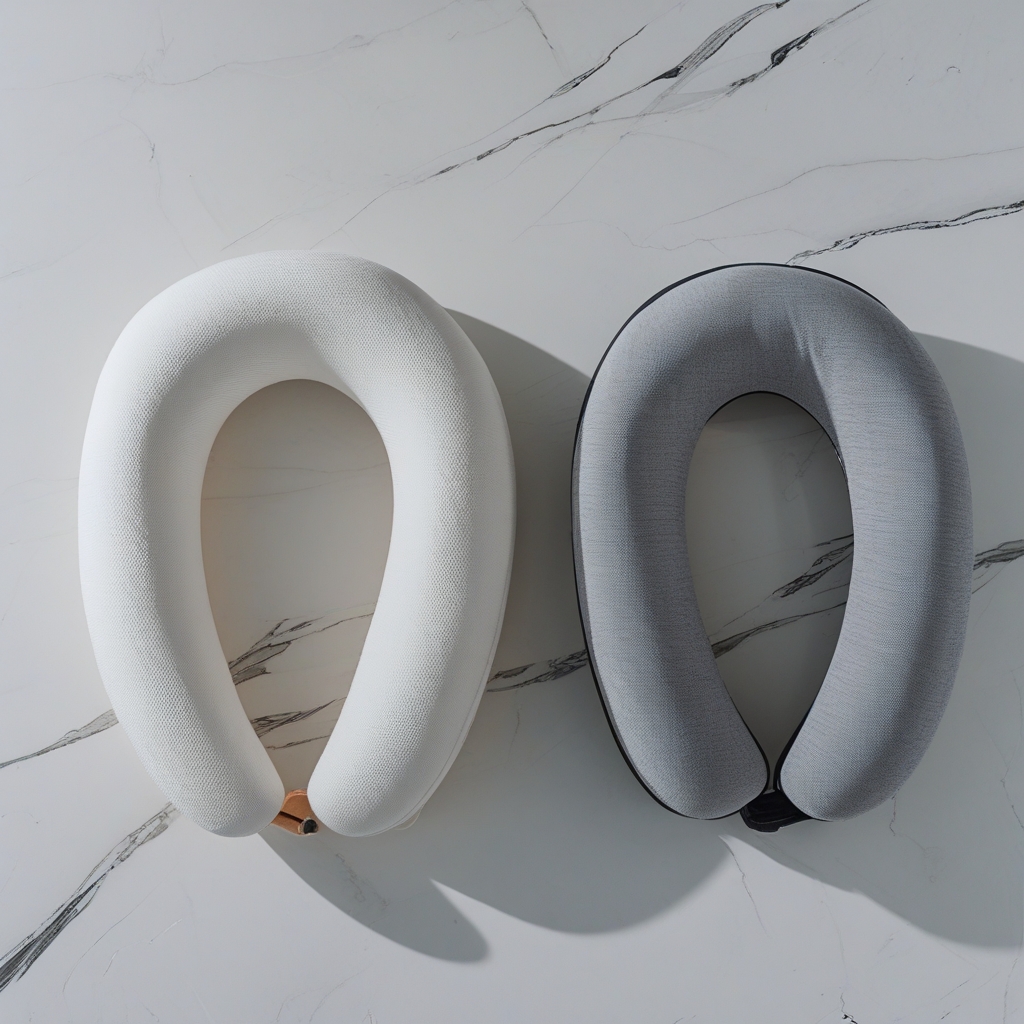
Selecting the ideal cervical traction pillow requires a systematic approach to evaluate features, compare options, and validate therapeutic benefits. This structured process helps narrow down choices to find your perfect match.
Evaluating Core Features and Materials
- Measure your shoulder width and neck length for proper sizing
- Determine your primary sleeping position (back, side, or combination)
- Check density ratings and material certifications
- Compare contour depths and support zones
- Verify temperature regulation features
When searching for the perfect cervical support pillow, these core features determine long-term satisfaction and therapeutic benefit.
Making the Final Selection
- Read verified user reviews focusing on your specific needs
- Compare warranty terms and return policies
- Check for best cervical neck pillow certifications
- Evaluate shipping options and delivery timeframes
- Confirm price protection and satisfaction guarantees
Take time to validate each criterion against your specific requirements and budget constraints.
Top Reasons Buyers Love This — Full Pros and Cons
Users consistently report significant improvements in sleep quality and neck pain relief when switching to a properly chosen cervical traction pillow. The therapeutic benefits extend beyond basic comfort to address underlying postural issues.
Clinical studies support the effectiveness of cervical traction in reducing neck pain and improving spinal alignment. These benefits are particularly notable for users with chronic neck tension or recovery needs.
- Pain Relief: Users report significant reduction in morning neck stiffness and chronic pain.
- Improved Sleep Quality: Better spinal alignment leads to fewer nighttime disruptions and deeper rest.
- Posture Correction: Regular use helps maintain proper cervical spine alignment throughout the day.
- Reduced Tension: Graduated support helps relax neck and shoulder muscles naturally.
- Versatility: Suitable for multiple sleeping positions and various therapeutic needs.
- Durability: Quality materials maintain support levels for 18-24 months of regular use.
Long-Term Health Benefits
Regular use of a best cervical neck pillow contributes to improved spinal health and reduced chronic pain patterns.
Top Picks, Alternatives, and Head-to-Head Comparison
While cervical traction pillows represent the gold standard for neck support, alternative solutions may better suit specific situations or preferences. Understanding these options helps ensure you’re making the most appropriate choice for your needs.
Traditional memory foam pillows, orthopedic wedges, and water-based support systems each offer unique benefits, though they typically lack the specialized cervical traction features that address specific neck conditions.
Comparing Therapeutic Approaches
Different support technologies offer varying levels of therapeutic benefit. Memory foam contour pillows provide general support but lack the specific traction features that make cervical pillows effective for pain relief. Water-based systems offer customizable firmness but require regular maintenance and adjustment.
For targeted cervical support and therapeutic traction, specialized cervical pillows consistently outperform standard alternatives in clinical studies and user satisfaction ratings.
Common Buying Mistakes and How to Avoid Buyer’s Remorse
Many first-time buyers make preventable mistakes that lead to disappointment with their cervical traction pillow purchase. Understanding these common pitfalls helps ensure a successful investment in your spinal health.
- Choosing Based on Price Alone: Low-cost options often lack proper density and support features, leading to inadequate therapeutic benefits. Invest in quality materials for lasting relief.
- Incorrect Size Selection: Failing to match pillow dimensions to your body measurements and sleeping position can negate potential benefits. Take precise measurements before ordering.
- Ignoring Break-in Period: Expecting immediate comfort without allowing time for adaptation and proper breaking in of materials often leads to premature returns. Allow 2-3 weeks for adjustment.
- Overlooking Care Instructions: Improper cleaning and maintenance can degrade materials and support features. Follow manufacturer guidelines strictly.
- Skipping Warranty Review: Not understanding coverage terms and return policies can lead to costly surprises if issues arise.
Taking time to research and validate each aspect of your purchase helps avoid these common pitfalls and ensures long-term satisfaction.
Care, Warranty, Returns, and Getting the Most From Your Purchase
Proper maintenance significantly extends the life and effectiveness of your cervical traction pillow. Understanding care requirements and warranty terms protects your investment and ensures consistent therapeutic benefits.
Regular cleaning and proper storage help maintain material integrity and support features. Most quality pillows include detailed care instructions and maintenance schedules.
- Regular Cleaning: Follow manufacturer guidelines for cover washing and core maintenance.
- Rotation Schedule: Flip and rotate the pillow monthly to maintain even support.
- Storage Conditions: Keep away from direct sunlight and maintain moderate temperature.
- Cover Protection: Use recommended pillowcases to protect the specialized surface.
- Support Validation: Check density and support levels quarterly for optimal performance.
Maximizing Therapeutic Benefits
Consistent use and proper positioning maximize the therapeutic potential of your cervical traction pillow. Regular assessment of support levels helps maintain optimal benefits.
Conclusion
Investing in a quality cervical traction pillow represents a significant step toward better spinal health and sleep quality. By following this guide’s criteria and avoiding common pitfalls, you’re well-equipped to make an informed purchase decision that delivers lasting therapeutic benefits.
Take time to evaluate your specific needs, compare features carefully, and choose a product that aligns with your health goals and comfort preferences. Your neck health is worth the investment in quality support and proper therapeutic features.
Frequently Asked Questions
How long does a cervical traction pillow typically last?
A quality cervical traction pillow typically maintains its therapeutic support for 18-24 months with proper care and regular use. Higher-density materials and proper maintenance can extend this lifespan to 3 years, though individual results vary based on usage patterns and care routines.
Can I use a regular pillowcase with a cervical traction pillow?
While standard pillowcases can be used, they may reduce the effectiveness of specialized contours and support features. It’s recommended to use the manufacturer’s recommended case or a specially designed cover that maintains proper contact with therapeutic surfaces.
How long does it take to adjust to a cervical traction pillow?
Most users require 2-3 weeks to fully adapt to a cervical traction pillow. This adjustment period allows neck muscles to respond to proper alignment and for the body to accommodate new sleep postures.
Should side sleepers use a cervical traction pillow?
Yes, many cervical traction pillows are designed with specific features for side sleeping positions. Look for models with adequate height and proper support zones that maintain neutral spine alignment when sleeping on your side.
Can cervical traction pillows help with headaches?
Many users report reduced frequency and intensity of tension headaches with regular use of cervical traction pillows. The improved neck alignment and muscle relaxation often help alleviate common triggers for cervicogenic headaches.